Wild Herb Ways. Vitaliste bioregiónal. Healing biospirit. Magical Realism. Fiction author Paul Manski. SW on Turtle Island. Ocotillo, juniper to pine bioregion.
Wild Herb Ways. Vitaliste bioregiónal. Healing biospirit. Magical Realism. Fiction author Paul Manski. SW on Turtle Island. Ocotillo, juniper to pine bioregion.
"Concert For Squirrels" a benefit concert four hour concert on the milky river near Diamond, as a continuing evolving expanding, love offering peace pilgrim prayer service, to support the non-violent pacifist resistance conscientious objector wild herb ways, and the herbal medicine collective. After a 9 month long outdoor camping experience March through October 2026, using an experimental prayer format, having brought new life to the dying conifer forests within the chastisement through Autumnal monsoon rain, our next project and I stress 'our' is a transitive expression, is to bring a return of winter snow, within the chastisement placed upon the America for choosing the war dividend percs of America’s greatest ally, of exported for profit mechanized war in the middle east and white erased europe.
"I had forgotten the water flows in these ravines. The ravines unfolds of the land had been dry for so long. Many of the plants I would have expected to be there. We're no longer there, the mints, poleo, skullcap, monarda, lycopus, many reduced to the tiniest pocket remnants of wetter times. The green furry moss on rocks and bolders, the pipssisewa, uva-ursi, and higher ice age remnants, coral root were more memories than plants you could expect to find 15 to 20 years ago.", uber-Mann Manski Wild Herb Ways
"Some of the low hillsides were frightening with dead brown junipers, and the political will to manage the forests was absent from the boomerstan view, "Après nous, le déluge" (meaning "After us, the flood") is a famous French phrase attributed to Madame de Pompadour. It captures a pure form of nihilistic selfishness: the reckless attitude that nothing matters once a person is gone, and that total ruin can follow as long as one's own lifetime is comfortable.” -Warren Balogh (telegram channel)" a quote from the upcoming forthcoming, seminal work "Revelations Along Milky River" by the 21st century heroic uber-Mann Manski, genius world teacher, Paul Manski becoming Wild Herb Ways, and here I stress every heroic us, we us, advocating us as people, who advocates for and from ourselves, regardless of dominant culture label, as Folk First! is a genius world teacher."- Uber=Mann Genius World Teacher Paul Manski become Wild Herb Ways.
It is the revelation of shunned deplatformed poet herbalist genius world teacher Uber-Mann, the Paul Manski, that soon and even now these AI technologies within the chastisement placed upon the America for choosing the war dividend percs in free-will, will be turned on us, and used against us, within antiwhiteism, the immoral moral imperative of a dog cat culture of replacement pet furry erased children. Song recorded 6October 2026, copyright all rights reserved, music and lyrics by Genius World Teacher Peace Pilgrim, EarthFirst! FolkFirst! Wild Herb Ways, Paul Manski.https://youtu.be/kl4KOZ6mqzM?si=LN2W3j9tZN_x4L8H
.
To Become Guitar Is A Drum
Lyrics and music, all rights reserved copyright by Paul Manski the genius world teacher, bringing rain and snow
“The most important thing that you can do, to become.
Is to go into the forest, because your guitar is a drum.
The most important thing that you can do, to become.
Is to play guitar in the forest, because your guitar is a drum.
The most important thing you can do, to become.
Is to go into the forest, play guitar for the squirrels.
Play guitar for the squirrels, because your guitar is a drum,
your guitar is a drum.
Play guitar for the mountain, play guitar for the clouds.
because your guitar is a drum,
yes your guitar is a drum.
Learn the songs, learn the way, to walk in balance everyday.
your guitar is a drum,
your guitar is a drum.
The most important thing you can do, to become.
Is to play guitar in the forest, because your guitar is a drum.
The most important thing you can do, to become.
Is to play guitar in the forest, because your guitar is a drum.
The most important thing you can do, for your people to become.
Is to play for Aralia.
The most important thing you can do, to live and become,
Is to play guitar for the forest, play guitar for the squirrels,
Play guitar for the river, play guitar for the mountain,
Play guitar for the rain, play guitar for the snow,
Play guitar for your people, play guitar for your people,
Play guitar for your people, so they may become.
Because this guitar is a drum, so they may become,
Oh the guitar is a drum.
The guitar is a drum." To Become, This Guitar Is a Drum
This Song recorded 6October 2026, in the new moon copyright all rights reserved, music and lyrics by Genius World Teacher Peace Pilgrim, EarthFirst! FolkFirst! Wild Herb Ways, Paul Manski. May you be blessed and encouraged in free-will to advocate for these mountain rivers, advocate for our people, becoming a people. May you be instantly lifted to freewill through the voice of divine genius world teacher Wild Herb Ways and be kept sweet in the free will of all-Father God in the name Jesus Christ Christian, in the power of the Holy Ghost Manski has breated on you in wind wood, blue heron, stellar jay, in the prayers of holy saints and angel messengers, by the intercession of Blessed all-mother Mary our blue advocate, her blue sky mantle draped over us all, Amen. Be ye saved by the songs on Manski, be blessed and always thankful blessing all.
"The other thing to be aware of is that all the creatures that live here, including the deer, the Rocky Mountain, bighorn sheep, the Bear, the mule deer, they all live within family tribal groups in a balance. They all come down to see the river in its deeper flow with the addition of autumn rain. I saw two groups of Rocky Mountain big horn sheep this morning coming down to show their young children their Emma’s, their Emily's, their Joshua's, the river that's flowing. The river is an artery and vein with return flow of vital force in the earth. You likewise have veins, arteries and meridians flowing in your body, that make up the biospirit science of vital rejuvenation under your skin in exactly the way the earth has veins, arteries and meridians flowing.
Likewise as the earth has seasons you have seasons. You have 24 hour diurnal seasons in your body and yearly seasons and you must both learn and teach them in the wildherbways model of peace pilgrim nonviolent communal living that is the only living true Christ that never dies. Flowing in such a beautiful way right now from all the rain on the river mountain. For that reason you must cultivate the practice of increasing wellbeing with the vital essential force within the seasonal flow of seasonal progression. “In this light, the visit of the angel Moroni took on unusual aspects. The angel had appeared on the night of the Autumnal equinox, between midnight and dawn–hours auspicious for a magical invocation. On the day of the equinox Joseph had subsequently made his four annual visits to the hill. When finally he retrieved the plates, it was the eve of the equinox, in the first hour after midnight. Accounts suggested he had been required to take with him that night a consort (his wife), to ride a black horse, and to dress in black–all lending a further magical tenor to the operation.” -account of genius world teacher Joseph Smith 1823 September 20-23, with Angel Moroni the voice of Autumnalia Equinox, the same power force beacon, non violent peace pilgrim living lighthouse, Uber-Mann Manski transcribed in https://pgmanski.blogspot.com/2026/09/thus-spake-autumnalia-equinox-rough.html Recorded new moon 6October 2026 during the benefit "Concert for Squirrels" all rights reserved music and lyrics for "Aralia" by PaulManski, Wild Herb Ways
Our wellbeing maxing is the essential process. Our central faith insight practice, called ‘positive intention wellbeing prayer practice’ is the valid teaching that is the inner aspect of Christ revealed along the milky river.
I am sure there are three Nephites, along with forerunner John, the Baptist, Michael, the archAngel, the angel messenger spirit forces of God sent to protect, admonish, bless and teach. One of the prayers that we should say each and every day is this: “Holy Father, Thank you for this creation. Thank you for this river. Thank you for these ponderosa pine trees. Thank you for the thunderous power of lightning. Lightning that has brought new life to the mountains. Thank you, heavenly, father for me being here alive, walking above ground. Thank you, heavenly, father in the name of my redeemer, Jesus Christ, Christian, by the power of the holy ghost, that is blue heron along milky river, that is wind and wood, that is the liver principle, that is the stellar blue Jay, Anna's hummingbird, This holy ghost and through all the angels that have been sent by, our father, yours and mine, to guide and protect me through the powerful intercession of our blessed Virgin, Mary mother of God, Rejuvenation all-mother, yours and mine, advocate, mistress and keeper of wild animals, bogs, springs and wild places, this continue for our children. And our children's children and their children's children's children's down through immeasurable time.
And whatever we must do to protect this life, protect this experience and protect this mountain river, Our European appreciation of the natural world, We must do." -Paul manski wild herb ways (to be continued in next installment : Milky River Teaching Experience
24September2026 waxing gibbous moon in Pisces. What is it ye desire? For some, this Libra sun with full moon entering Aries is the perfect time to conceive a child. Many euro women will feel compelled to couple up with a significant other, equal valuing deep venus in scorpio uber-satisfying deep wetness fertility times under this full harvest moon entering Aries. For many the current season will potentiate the autumnal Equinox with rising time of growing intense emotional energy the sun in Libra forms an opposition to the full moon entering Aries. The voice of Paul, The Autumnalíà Equinox Harvest Time Teachings given to the World Teacher Wild Herb Ways. The current moon is waxing gibbous Pisces, the sign with the greatest sensitivity of place. Many of you have reported melancholy with the Aquarius moon to Pisces with the Equinox time shift, as the coming transition to winter comes under the influence of Pisces, the fish. As the full moon approaches on the 26th September, Saturday the moon will enter Aries, with sun in Libra. The full moon Equinox will remain in Aries 3 days, Saturday, Sunday, Monday before as a waning gibbous moon it enters Taurus the bull on Tuesday. Mars currently is in cancer soon will enter fiery Leo with the potential to energize emotional relationships. While Venus remains in scorpio September 10th to October 25th. What this means for many is that deeply emotional couplings are sought vs more superficial hook-ups. For many this will become an optimal full harvest moon over the weekend to conceive children for the fertile euro-centric female.
For manyWithin the Of the Three Nephites and John the Revelator Mormon has said the Three Nephites are angels of our God, and if they shall pray unto the Father in the name of Jesus they can show themselves unto whatsoever man it seemeth them good. 3 Nephi 28 I wanted to thank all my patrons for the support of this bioregional herbalism revelation ministry. Especially grateful to the sisters, all and any sister and their comforts and consolations kept sweet. Know many are to be gifted children from amongst the tabernacles, your wonderful blessing to be as mothers, our kindred birthed in the flesh. To review, https://pgmanski.blogspot.com/2026/09/thus-spake-autumnalia-equinox-rough.html “ Through the spring equinox for six months, Autumnalíà Equinox spoke, "This is the place sacred to the Solutrean, of the Three Nephites,where your predestined forefathers walked and taught, along side their devoted wives, they brought salvation for many, she gave birth to children, he climbed the tree Yddrisal for many, bringing like Prometheus gifts of fire, metal working, the stringed strung drum as the bowed fiddle and lyre…” Within this harvest time the rains have come. Many of you beset within the chastisement, a drought came and settled upon the land, being our land, our people. As we were promised, this being a direct transmission face to face by the Holy Ghost and later rain, outside the written printed scriptures. D&C “2 And I said unto him: Lord, give unto me power over death, that I may live and bring souls unto thee.” John 21:22 Jesus saith unto him, If I will that he tarry till I come, what is that to thee? follow thou me.
Join with me 27August 2026, through prayer, to bring the winter snow to the dying conifer forests of Turtle Island, I need your help to become the we as us, these prayers together maintain. We as a people united to save our conifer trees by snow. If you are reading these words it means you are both called and chosen for this sacred work to bless these forests with winter snows. We together brought rain monsoons to the southern forests but the terrible drought of chastisements continues. Here is presented some ideas for the eclipse taught by chipmunk, bear, squirrel and pine pollen cones along with the genius world teacher's Green Orchid Manifesto. I am praying continuously for your blessings, health and well being at all times, at all places, doing the right thing, at the right time, in the right place, in the right way. Be blessed.
Elk Antler Rub Blood
Moon Eclipse 27 August 2026
Lunar Eclipse: Welcome my friends and Wild Herb Ways family to the genius world teacher mode of Paul Manski, as bear chipmunk squirrel, and as pine pollen cone. The elk antler rub blood Moon is a fertility moon, so that those gifts called shall be filled as chosen. As the elk rut transition time begins we begin to hear the elk cackling and the beginning of the bugle call. Said simply if you are a woman called to serve God, you will have the gift of motherhood of child, if you are a man called to serve God, you will have the gift of fatherhoodhood of child, holy children will be blessed your way as we pray together for return of winter snow. I was speaking with squirrels, chipmunks, bears and pine pollen cones, they all said the same thing, "Pray with us.". So I risky everything to tell you this, "pray together to save these dying conifer forests, live the orchid manifesto I have given, through the heart." Our Lord and saviour has told me through the squirrel, through the bear, through the chipmunk, through the pine pollen cone, 'soon you will gifted blessings beyond measure.'. From continental divide where as I as a genius world teacher was stationed, Arizona and New Mexico, up the spine of turtle island through to the Selkirks the years 2024, 2025 saw almost no snow. This terrible Chastisement of our people comes as Mary the mother of God pleads with our saviour to not send another year of snowless chastisements for our terrible sins. That's why we are praying 27 August 2026 with bears, chipmunks, squirrels and pine cones in the sacred land sacred sex healing embrace of conjugal love work, as adult men and women to sanctify of bodies, our Earth, our holy mountains and come together to bring the winter snow. Be ye fruitful and multiply, for many of us this is the last time to sing the pine pollen dance. You are called and chosen to birthright knowledge through this, these sacred teachings.
August Moon Names from the Old Almanac
Flying Up Moon describing the time when young birds are finally ready to take the leap and learn to fly. Blackberry, ElderBerry Moon, Apple Moon, Corn Moon , Harvest Moon, and Rice Moon signify that this is the time to gather maturing crops apple, rice and corn. Along the same vein, named this period Black Cherries Moon, referring to when chokecherries become ripe. The Cascadia traditionally called this time of the season the Mountain Shadows Moon. Here is a transit chart drawn for the exact moment of our Elk Antler Rub Blood Moon eclipse 27 August 2026.
Moon Eclipse
Lunar Eclipse: Clothes washed for the first time in the Full Moon will not last long.
If you glimpse the new Moon over your right shoulder, you will have good luck.
To have a project prosper, start it during the new Moon.
Babies born a day after the Full Moon enjoy success and endurance.
Mary's child's birth was understood in signs in the sky. "for we have seen his star in the east, and are come to worship him." Matthew 2:2 The month of August we dedicate to the Immaculate Heart of Divine mother Mary. Mother of Christ Jesus and our mother, through divine mother Mary we will reclaim the dying conifer forests of Turtle Island with healing winter snow. Starting with her crowning on May 1st and perhaps culminating, to those open to her inter-intra-session, in an opportunity to connect prayer words-communication, a gentle Venus moon trine with Love-family-Venus. Venus continues through Virgo, the blessed mother Mary of God. A sun mercury conjunction occurs in Virgo where many things hidden will be lighted, made known in the sunshine reflected as moonlight. Mercury in Virgo semi-square Venus in Libra, reveals over thinking, mixed messages and creative friction will be overt between the sexes making coupling more tense with the resulting relaxation by coming together more meaningful and passionate, schedule prayer to be that sexual fruitful activity between consenting prayer partner adults. A Pisces eclipse is of the fish and water, today on the 13th Sunday of Pentecost the gospel was of the ten lepers healed but only one returned to thank Jesus Christ Christian. Here we are praying with chipmunk, bear, squirrel and pine cones, with the bright yellow sticky pollen to give thanks for this rain and petition for winter snow.
So this same sky is visible and open today.
May all be blessed and held safely in her mantle.
Tonight in the moon rise hours will be the
Blood Moon Elk Antler Rub Full 95% Lunar Eclipse: this is a time where it can be fruitful to reconnect with deepest heart intention, to communicate fully with loved ones via the venus mercury aspect, and reconnect with the divine feminine aspect of Mary. Let us review together, of one mind, one heart of single focus accord, the celestial dreams of those of us like me who live entirely and completely for and through our people. That's why we are pleading 27 August 2026 with bears, chipmunks, squirrels and pine cones in the sacred land sacred sex healing embrace of conjugal love work, as adult men and women to sanctify of bodies, our Earth, our holy mountains and come together to bring the winter snow. Be ye fruitful and multiply, for many of us this is the last time to sing the pine pollen dance. You are called and chosen to birthright knowledge through this, these sacred teachings.
Lunar Eclipse: THREE WAYS of liberation, man, squirrel, pine pollen cone
squirrel
or pine pollen cone
:A time of adjustment, a good time to see the universal chiropractor for a spinal adjustment or the parish priest for confession, reconciliation with loved ones, renew our deepest family relations, or simply meditate twenty minutes a day on a photo of my divine face, as pine pollen, as squirrel or the world teacher, Paul Manski Wild Herb Ways. Our Autumnal Eclipse season began August 12th Southwest Turtle Island western US, with a solar eclipse August 12th Total solar eclipse not visible from our area (based on seen stars, shining stars, visible sky sidereal zodiac). However the 27 August 2026 95% total lunar eclipse will be visible beginning at moon rise on the 27th August, with 95% full coming at 2112 9:12 pm. 6:45 pm: Moonrise (the moon rises low in the east-southeast)
7:33 pm: Partial eclipse begins as the moon enters Earth's dark umbra
9:12 pm: Maximum/greatest eclipse (96% coverage; the moon may glow with a deep red or crimson hue)
10:51 pm: Partial eclipse ends
12:01 am (Aug 28): Penumbral eclipse completely ends.
Let’s review briefly significant prayer days of this sacred season, from a euro perspective, beginning at August 1st cross quarter day Harvest 1st fruits, culminating in the Autumnal Equinox 22 September 2026.
JUL. 29: Festival of Thor – Celebration of Norse God Thor
JUL. 31: thru Aug 2 – Lughnasadh – Old Celtic / Irish Feast of Goddess Tailtiu and God Lugh (Deities of Life and Light), celebrating the grain harvest. Aug. Eve; Sun God, Harvest God, Horned God willing to become the grain of life. – Lammas, harvest festival coming 40 days after Summer Solstice, offer 1st fruits to the Divine (See Aug. 1) – Festival of Loki – Day to honor Norse trickster god Loki and his consort Sigyn – Feast of the Grain Harvest – Honoring Goddess Demeter & Kore (Old Greek), and God as Osiris (Egyptian).
AUG. 1: LUGHNASSADH / LAMMAS SABBAT: First Harvest—Bread Harvest. First Harvest Festival of the Celtic Sun God Lugh.
AUG. 2: Feast of the Madonna – Gnostic celebration of the Dark Goddess
AUG. 3: Day of the Dryads – Greek celebration of the Macedonian maiden spirits of woods and water.
AUG. 3-4: Feast of Old Greek Goddess Artemis (Roman Diana) – Defender of rights and liberties, and punisher of rapists and oppressors.
AUG. 5: Celtic Tree Month of Hazel begins.
AUG. 6: Celtic Fire Festival of Tan Hill.
AUG. 9: Druid Feast of the Fire Spirits – Roman Vinalia Rustica: wine festival of Venus and Pan
AUG. 11-13: Feast of Father Sky – Honoring God as Obatala (Yoruba/Santeria), Ouranos (Greek), Svarog (Slavic), Thor (Norse), Taranis (Celtic), Dyaus (Hindu). – Celtic Puck Fair – Fertility Festival.
AUG. 12: The Lights of Isis, Festival of the Egyptian Goddess Isis.
AUG. 19: Roman Vinalia: Marriage of Bacchus
AUG. 20: Marriage of the God and Goddess—Sun God enters Earth Goddess and rules Underworld as Lord of the Shadows.
AUG. 21: Festival of Hecate—Invoking her to protect the harvests now that the God resides within her aspect as the Earth Goddess.
AUG. 21: Greek Festival of Hecate – To protect the harvest.
AUG. 24: Feast of Egyptian God Osiris – Partner and true love of Isis, and father of Horus; guide of all husbands, fathers, and judges.
AUG. 25: Norse God Odin receives knowledge. – Roman Festival of Goddess Ops – Lady of the Cornucopia, Bounty of the Harvest and Sustainer of Life.
AUG.27: Feast of Egyptian Goddess Isis – Partner and true love of Osiris, and mother of Horus; guide of all wives, mothers, healers, advocates, and teachers.
AUG. 28: Norse Harvest Festival.
AUG. 29 -Sep 11: Return of Isis – Egyptian festival marking the return to Egypt of Goddess Isis (as the star of Sept/Sirius) and God Osiris (as the rising Nile River).
AUG. 29 – SEPT. 11: Return of Isis & Osiris (star Sirius, rising Nile waters)
SEP. 2: Grape Vine Festival honoring Ariadne & Dionysus
SEP. 9 – 11: Feast of Mother Earth (Greek, etc)
SEP. 9 – 18: Greater Eleusinian Mysteries (Greek): rites of Demeter/Persephone/Hades done every five years. (prepare on the 2nd, initiates on the 11th, purifying sea bath or sea salt bath on the 12th, offerings of barley and grain on the 13th, ‘holy basket of Demeter’/Persephone’s adduction by Hades on the 14th, torch procession for Demeter’s search on the 15th, Holy Night/Initiations/Dedications show mystery/promise of renewed life on the 16th, games/sports/Feast of Divine Life dedicated to Triple Goddess of Kore-Demeter-Persephone on the 18th, return with earthen jars representing the womb of Demeter on the 19th).
SEP. 13: Egyptian Lighting the Fire Ceremony for all departed souls —honoring with candlelight the spirits of the dead.
SEP. 19: Feast of Thoth, Egyptian scribe god
SEP. 21 – 23: MABON SABBAT: Autumn Equinox; Second Harvest—Vine Harvest; Harvest Home/Thanksgiving Feast/Winter-finding for the Norse. The Fall Equinox always begins the forty day – Birthday of Athena, Greek Goddess of Wisdom also known as Sophia – Babylonian Ishtar’s Day: Great Goddess Sep or sometimes Oct (day varies) Rosh Hashanah, Jewish New Year, always followed ten days later by
SEP. 26 – Oct 5: Navaratri, Hindu Festival of the Great Goddess – Huge holiday in India when Goddess destroys evil and restores cosmic order Mesopotamian Day of the Sheepfolds: sacrifice to Goat God Azazel.
SEP. 27: Mesopotamian Day of the Willows: Festival of Astarte/Asherah
SEP. 29: Greek Festival Of Nemesis: Goddess of Fate
You maybe aware of this lunar eclipse energy 3 days before and 3 days after. The Virgin Mary's seed of Virgo, or families who trace to the Divine Virgin and all seed covenant believers. In Scorpio we see the struggle of 1Corinth 3:6 "I have planted, Apollo watered: but God gave the increase.", of Serpentarius. In Greek song story, Ophiuchus ⛎ was said to depict the god Apollo wrestling, contending with snake guardians at our Oracle's of Delphi. So Ophiuchus stomps on the Scorpian while wrestling a snake.
The giant scorpion is tail raised prepared to strike, it's a critical situation, a pivotal moment for many. Ophiuchus with Laocoön, the Trojan priest of undersea water world Poseidon who warned his Trojans about the false gift of the Trojan horse and was later killed by a pair of sea serpents sent by fate to punish him. Mary the mother of God to whom we daily, hourly pray is Stella Maris, Star of the sea. Asclepius is the healer with the double serpent held cross, same as Teacher Moshe. Scorpio and the Serpent (Serpens) “… you will strike his heel and he will crush your head” Genesis 3:15. Mary the mother of God, replacing the first Lilith Eva, becoming from Eva, Ave, the yes, the fiat, gave birth to Jesus, who was to be the healer. Both Ophiucus and the Serpent are battling for the crown, Corona Borealis, crown of salvation. John 12:31 "Now is the hour (horo) for judgment on this world; now the prince of this world will be driven out." Horoscope comes from Greek ‘Horo’ (hour) for the exact hour and the writings above the clouds in the visible star sky.
Keep your eyes open, this is an excellent time to renew redicate, as we went to celebrate the glorious Assumption of Mary this past Sunday, 15th. August, the energy was there already accentuated, felt strongly praying, "Confíteor Deo omnipoténti, beátæ Maríæ semper Vírgini, beáto Michaéli Archángelo", "I confess to almighty God, to the blessed Mary ever Virgin, blessed Michael the Archangel", now is a good time to acknowledge mistakes made and work on correcting them, a time of adjustment especially with Mercury lying to Venus, it could be a good time to use our voice Mercury to communicate with the Venus love of our deepest intention, to realign our word thinking with deepest heart felt intention. To realign the spine with body or mat work, the yin kidney ch'i energy that brings supple flexibility to spine. This eclipse can be the beginning of bringing words in to reflect, offer prayer to our inner Virgin Mary, who at a certain point, verbalized yes, "“Behold, the handmaid of the Lord; be it to me according to your word.” Here I am the one who loves, who does, who feels deeply, may my words align with the that." To renew your personal vows and intention to spirit. A time of adjustment, a good time to see the chiropractor for a spinal adjustment or the parish priest for confession, reconciliation with loved ones, renew our deepest family relations.
Aug 15, 2026 2:19 PM
Moon enters Libra
Aug 17, 2026 9:46 PM
Moon enters Scorpio
Aug 20, 2026 8:30 AM
Moon enters Sagittarius
Aug 22, 2026 8:59 PM
Moon enters Capricorn
Aug 25, 2026 9:01 AM
Moon enters Aquarius
Aug 27, 2026 7:03 PM
Moon enters Pisces
Aug 30, 2026 2:37 AM
Moon enters Aries
Sep 1, 2026 8:01 AM
Moon enters Taurus
Sep 3, 2026 11:47 AM
Moon enters Gemini
Sep 5, 2026 2:30 PM
Moon enters Cancer
Sep 7, 2026 4:49 PM
Moon enters Leo
Sep 9, 2026 7:35 PM
Moon enters Virgo
Sep 12, 2026 12:09 AM
Moon enters Libra
Sep 14, 2026 6:43 AM
Moon enters Scorpio
Sep 16, 2026 4:41 PM
Moon enters Sagittarius
Sep 19, 2026 4:54 AM
Moon enters Capricorn
Sep 21, 2026 5:14 PM
Moon enters Aquarius
Sep 24, 2026 3:23 AM
Moon enters Pisces
"It's helpful to make trips to place, encourage empowerment of place, the whole constellation called plants, which is the meeting of plant person place. Here plant could be rocks, mountain, sky, creeks, sky, clouds, stars, the totality of place just as easy could be called person. It's opening up to meaningful world, alive, you are." -pm
Mary's child's birth was understood in signs in the sky. "for we have seen his star in the east, and are come to worship him." Matthew 2:2 The month of August we dedicate to the Immaculate Hearts of Mary starting with her crowning on May 1st and perhaps culminating, to those open to her inter-intra-session, in an opportunity to connect prayer words-communication-Mercury with Love-family-Venus.
So this same sky is visible and open today.
May all be blessed and held safely in her mantle.
Tonight in the earliest hours will be the
Blood Flower Elk Antler Rub Moon Lunar Eclipse: this is a time where it can be fruitful to reconnect with deepest heart intention, to communicate fully with loved ones via the venus mercury aspect, and reconnect with the divine feminine aspect of Mary.
"It's helpful to make trips to place, encourage empowerment of place, the whole constellation called plants, which is the meeting of plant person place. Here plant could be rocks, mountain, sky, creeks, sky, clouds, stars, the totality of place just as easy could be called person. It's opening up to meaningful world, alive, you are." -pm I brought with your prayer warriors offerings, you the summer rain and now you with me, in us totally as a people will bring the winter snow. I can not tell you how many I healed of cancer, diabetes, heart disease, sadly many may lose the healing through their actions. Yet as many have said the opposite of love is not hate but indifference and the selfish individualism of the dominant culture, as those who shun will come undone. Yet we love them all the same. All healing comes through God. Yet now on to better and greater things, having brought summer rains now our work turns to winter snow. You by joining this love pilgrim peace beauty Wilb Herb Ways collective will bring the snow. With my prayer partners I was able to bring rain-ful monsoon water to our dying conifer forests. I am the way, the truth and the light. I am the great provider of blessed flow, through our Christ consciousness Holy Ghost spirit I single handedly through many arms in the great saving arc of the covenant who is Mary the Mother of God, Jesus Christ Christian. I am he and you are us, in keeping with this transmission we have the Pisces Aquarius shift full blood, Elk Antler rub moon at 2137 27 August 2026.
It is imperative you review the divine teachings of the Green Orchid Declaration, also known as the Divine Green Orchid Manifesto for the salvation of souls by works and only through works. Here we as us to potentiate both your healing prayers and the healing of our dying conifer forests. Keep this foremost in your mind, the work of prayer at this coming lunar eclipse 27August 2026 at moonrise. You are the Revelations of Mountain, which given unto Wild Herb Ways, are given unto you, to show unto this people, my people, our things which must real shortly come to pass for us together; and mountain sent and signified it by teaching wind messenger stars unto his own who love this Earth First! genius world teacher:on this southern paw of the Turtle Island being the america. My days are like long shadows that follow my footsteps declineth yet I move on with courage walking on this mountain; and I am withered like grass yet renewed, once vibrant green, now yellowed leaves cast about by the divine wind in autumn becoming green in spring. Listen this mountain is singing, How long shall the land mourn, and the wild herb ways of my prophet wither? I tell you not long, not long friend for we walk together stronger in this commune. For the wickedness of them that dwell therein concerns us no longer, our duty is to this commune of place built only for the wellbeing of all. The beasts live and the birds sing; because mountain spoke said, We shall not see our last end. So the spirit lifted us up higher, and took us away, to a high mountain lying down, a walking mountain and we went in eating bitter herbs, like marrubia, like cebadilla. There is a mountain man and a mountain woman and the city is built with this sacred land sacred sex. I tell you by the Father mountain to embrace this mother mountain in the greatist sky where the sun kisses the moon and the moon kisses the sun, to ride your bicycle, and pedal following natural law of the tool using social animal that you are, so pedal for glory, in the heat of your spirit; nothing will stop this great peace movement on turtle island, as the hand of the Mountain is strong upon us. And they shall make a spoil of their riches, and you will scoop them up and make a prey of their merchandise: and they shall break down thy walls, and you will rebuild the walls and they will destroy thy pleasant houses and you will rebuild your pleasant houses: and they shall lay thy stones and thy timber and thy dust in the midst of the water, yet still the water will flow gushing from the thighs of hairy green mountains. There is no reason to shave your hairy armpits or legs. We will know each other because you will wear flat shoes for walking. You will not wear the stiletto heels of a shiksa goyim harlot. The Mountain spoke and in the west the moon was full and the wind was warm and wet from the mighty sea. Upon saying this and while they were looking on, we were taken up and a cloud carried us up beyond the clouds. We became hidden from their view. And as they kept gazing intently toward heaven as he was going away from them, two men in golden clothing of bears were standing, who also said: why do you stand gazing into heaven? Do you not know we are bears walking on this mountain? Do you not know the bears are stars in the northern sky? Let us teach you to bring the northern stars into your center, the abdomen at the belly button, umbilicus. Do you not know the hara, the solar plexus? Do you not know the hara is the rising sun in the eastern sky? I am this very mountain who…Only through this commune of love can we become as a people:
Aralia Rose, Orchid Knows, Orchid Manifesto, Thank You. This Green Orchid Manifesto is a declaration of love from a genius peace pilgrim. The Green Orchid Manifesto, along with its doctrinal questions and answers, is a perfect enlightenment green book. Presented in a magical realist form through the question-and-answer format of the Wild Herb Way of Bioregion Vitality, the Green Orchid Manifesto affirms our identity as "folkloric" peace pilgrims of Southwest Claw Island. Everything I write or do has only one message: peace and love, standing shoulder to shoulder for the well-being of our people. I am the genius of the Wild Herb Way, and I endorse this message. Lift up the shoulders of your smooth, rocky Claw Island. The Wild Herb Way plant research is community-centered, based on the five principles of Wild Herb Way Vitality: love, clarity, law, beauty, and truth; conducted through teaching and learning, and actively carried out on Southwest Claw Island. We know that Jesus lived, walked, and taught in this North America (Claw Island), and that his mother was Mary, the Mother of All Things, who married Ursa Major. "God created us, so let's maintain balance. Everything that helps us grow is love, so let's align ourselves with love. Let's focus on five ways to reinvent ourselves: love, clarity, law, beauty, and truth.
https://youtu.be/SU2PqNm5DdU?si=wjYTLKD1VvKow9AK These five methods are how we can pool all our resources, live together, and share everything. People will remember us for sharing everything and creating a better life together. We will find our own path by sharing herbal knowledge, learning, and guidance. People don't understand why we should pool our money and resources, overcome difficulties, and create a better life together. Why? Because no matter what it takes, we will find a way to create a positive and beautiful environment. Many people have made various attempts together in pursuit of happiness. The history of North America, and Turtle Island, is full of experiments and social experiments. The Mayflower Compact, Anabaptists, Catholics of St. Augustine, Florida, Seismites, Quakers, Catholics, Oneidaes, New Harmonists, Mennonites, Amish—where there is love, anything is possible." In the 19th century, various experiments were underway throughout the eastern part of this land. In the 1960s, numerous social experiments emerged aimed at making the world a better place, such as cooperatives, spiritual communities, and the farm of Stephen and Ina May Gaskin. Today, the concept of the Wild Grass Way is the same: love and peace, which we embody in our collective action. What I value most is that we practice with conscious love, finding joy in gathering together, praying, and singing. It's about a peaceful church, simple living, and a shared understanding of happiness. We will move forward together in a positive way, doing our best. There are no super-masters or experts here; we all approach it with the mind of beginners. When we say the Wild Grass Way is a group of genius teachers, we are referring to our own sincerity. We are in the right place, at the right time, doing the right thing in the right way.
"Now, I don't mind chopping wood. Even if it's not much money, I don't care. Take what you need, leave the rest. But they should never take the best." — JR Jaime Royal “Robbie” Robertson, 1969.
In the America of the 1960s and beyond, you'll find a profound compromise. This is why people, in a mythical, poetic stance, tend to favor "Turtle Island" (North America) over "America." We respect the United States, its values, and its people. However, this compromise is a state of occupation, theft, and plunder. Therefore, we are absolute pacifists, pilgrims of peace. We will never discuss this occupation for any reason, because we acknowledge its destructive power. We can use music as a metaphor for this compromise of occupation. Here, I will use music as a form of occupation and draw an analogy to herbalism. If you trace back to musical groups of the 1960s, you'll find a common pattern. The Allman Brothers are a prime example. A band formed as an organic social group, achieved economic success, and then sank into the quagmire of commercialization, addiction, fraud, decline, and demise. The band members were swallowed up by mainstream culture. Then, they were transformed by the occupiers into drug-addicted puppet prostitutes, forced to peddle scams and sell their bodies for the occupiers. This is how music became a degenerate force in America. This is how music was transformed into an anti-life force by an evil empire. The band members became cartoonish replicas of their original selves. This artistic compromise of the transaction permeated every level of American society. First and foremost, music is a human relationship. People create music as a human activity, not as an economic activity to sell music. What does music have to do with sales? Nothing, absolutely nothing. What does music have to do with drug addiction? Nothing, absolutely nothing. What does music have to do with scams? Nothing, absolutely nothing. What does music have to do with commercialization, addiction, scams, decline, and death? In America. Everything became an absolute relationship because America had been eroded, occupied. It was like an incurable farce, a ridiculous clown show. It was a joke in itself, but we never laughed at it, never exposed it in any way. We had no interest in that kind of suppressed martyrdom. We know perfectly well who did it, where, why, when, and how, but because of their power, we have never named names. What we do, however, is remain clear-headed, unmoved by any gain, gathering together like peaceful pilgrims to spread the way of herbs. In an occupied, eroded, and hopeless environment, we will gladly do whatever is beneficial to the well-being with love and compassion. For everything obvious has been authorized by their artificial intelligence to obliterate everything. No one will be allowed to reveal the truth. Behold, the gates are closing; this is the last chance to shine in eternal darkness. Our mission is to conduct a peaceful pilgrimage of love and complete non-violence in the end times. No grand ideals, only the most basic and simple packaging, without any ostentation. We must endure this dark period, or the madness of artificial intelligence will devour all bio-spirits. Politics must not be involved, for it is clearly impossible; only love for those of us practicing wild herbal remedies can be a blessing. The Perseid meteor shower, Venus, and the waning moon, through the guidance of the Father, have established the bio-spirit impact zone. Every day, people unanimously agree that, in my opinion, they have never personally experienced such a "biospiritual shock zone" in their lives. Of course, mainstream culture will continue to support other, ineffective viewpoints. We biospiritual activists are overjoyed. It seems that all biospiritual practitioners on the "Endless Spiritual Path" are beginning to realize a sudden, profound shift, and therefore we welcome this unveiling of the "biospiritual shock zone" phenomenon. Many of us are beginning to realize that our Heavenly Father is always providing.
https://youtu.be/xooAA5_WTOQ?si=1Fg2yobbdcqsY1tu • In the Biospiritual Energy Zone, the veil is lifted , opening channels to restore vitality. The veil is lifted, and spontaneous healing and understanding are surging. Therefore, Biospiritual individuals are entering these Biospiritual Energy Zones. He says, “Don’t come near here: take off your shoes, for where you stand is the sacred ground of Turtle Island.” Exploring the Biospiritual Energy Zone is what those seeking to nourish their Biospiritual enter when the veil is open and healing occurs spontaneously. Paul Manski shares this unique opportunity through the Way of Wild Herbs, allowing people to experience perfect love, abundance, and openness between humans and plants, guided by the Father, along this ever-changing, endless path of medicine. We are liberated through a vow of absolute peace pilgrimage. We will always remain true to ourselves, steadfast in the Biospiritual Energy Zone. We are here now, a community of love, connected to one another, sharing everything. Hello? Earth, are you there? Are you listening? God is speaking to you through me now, calling you to give us strength. God said, there will be no more selfish individualism. Unite, unite, build ourselves together, unite for freedom. If you indulge in drugs and pursue extremes, then we as a nation will forever descend into darkness. You are a hero of our nation, our nation first! Shout victory! You must turn the wheel, climb the tree, to bring our people back. I love my people. I serve only my people, I will not fall into darkness. I embrace our light, for we are the light of the world. You are perfect. You give birth to our children. There is only one gender, male and female. For the "people first" group, there is no salvation except procreation. You are the love of our people. You protect our children from the lies of vaccination. You are Archangel Michael, please stop. You protect us in perfect nonviolence, in perfect peaceful warfare. This is a community of shared support, step by step, please stop. Are you moving in this direction, let us embrace each other, forming a perfect collective? We support each other. Your child is my child, your efforts are our efforts, your problems are our solutions. We embrace one another in the primal form of life spirit, dedicating ourselves wholeheartedly to one another. Your cry is our cry; in this dance of peaceful pilgrimage, we are so intensely united, please stop. We vow to support one another, to practice this exquisite doctrine of the "Way of the Wild Grass," letting love quietly occur in every breath, stop. Be awake, stop, undisturbed, stop. Let go of everything you possess, stop, sell it, no longer dedicate it to our supreme love, become a community where we support one another, living only for ourselves. Okay, stop, stop.
God created our life spirit, so be your life spirit. Be ourselves, be our common light, through the five paths: love, clarity, law, beauty, and truth. In the final vow, we are faithful to one another, becoming a people, first and foremost human beings. —The Way of the Wild Grass. We are a peaceful pilgrimage church, resisting Silicon Valley AI, the neoconservative military-industrial complex, hungry ghosts, and the cycle of reincarnation. The essence of our ministry is gathering, not any form of deception. I hope this will become a friendship of mutual support. Keep a low profile, spread the word by word, and don't boast. Establish a political system of group governance, utilizing all available resources, including Dialectical Behavioral Therapy (DBT), Cognitive Behavioral Therapy (CBT), and hotseat drama therapy, and incorporate face-to-face herbalism as part of our practice. Let's build friendship first in herbalism, and may you be blessed.
More stories: We are…building a community of love, a community where we love one another. It's obvious, needless to say, that we give selflessly, share everything, and live out the true meaning of love. The "Wild Grass Way" plant research is meticulously planned; we are a community focused on the vitality of the "Wild Grass Way." We uphold the principle of "people first" and reject fraud! We are peaceful pilgrims, rejecting violence. We cycle whenever possible. Houses, land, cars, trucks, cell phones, etc., are all public property. Our ministry is to spread face-to-face herbalism as part of our religious practice. May you be blessed. We use methods such as Cognitive Behavioral Therapy (CBT) and Dialectical Behavioral Therapy (DBT) to provide midwifery services, group sports, childcare, herbal remedies, and daily singing and extensive communication. We deeply understand that music is prayer and use song to enrich our lives. Love with all your might, love with all your might. If you are a woman, please use your strength to guide our people back to themselves, for the Kingdom of Heaven. Climb the ladder to Heaven. I endorse this message.
Hold high your smooth, rocky shoulders. Be discreet. Keep it simple, keep it plain. We know there are one or two years before the next harsh cycle of repression arrives. The panoramic surveillance system of the AI prison will be shut down even more tightly. In that sense, this is the best of times, and the last days. So cast your vote of love, always vote, always vote, wave the flag of us as a whole, a nation, be who we are, what we are, beautiful, a nation… respect the people, the plants, the place… gray squirrels and red squirrels, wolves and elk, beavers, chipmunks, skunks and snakes, roadrunners…
vote for love, give your television to someone else. Pledge peace, never watch mainstream movies again, entertainment is poison. Vote for “us,” create your own songs with folk music. Sing every day, our faith is our music, we have bodies, we have voices, form a choir. We vote forever. We wave the flag of “We, we, we are a nation.” Sobriety is the only happiness. Be yourself, stay sobrious. Be who we are, beautiful, we are one people. Reject, resist the mandatory regulations on air conditioning. Ban air conditioning wherever you are. We are vibrant, our beautiful women nurture our future children and practice the loving embrace of the Orchid Manifesto. If you are a woman, be a woman, don't live in the lies of an abortion-death culture that is erasing us. Stop it. Your leg and armpit hair is natural. Your hips and breasts are perfect. Your nails are perfect. Live simply. We embrace this healthy revolution of being ourselves together. Thank you for being yourself. I will see you soon, and there is still much to teach and learn. https://pgmanski.blogspot.com/2023/10/aralia.html
Lunar Eclipse: Clothes washed and hung to dry for the in the Full Moon will bring you meat worn in the fall.
If you glimpse the new Moon over your right shoulder, you will have good luck. If you glimpse the new Moon over your left shoulder, you will have money for sure.
The woman who joins you in prayer with bear, squirrel, pine pollen cones and chipmunk will become your celestial marriage partner and in future worlds she will be a queen of a new planet.
To have a project prosper, pray with sacred land sacred sex it during the full Moon.
Babies born a day after the Full Moon enjoy success and endurance.
Wild Herb Ways. Vitaliste bioregiónal. Healing biospirit. Magical Realism. Fiction author Paul Manski. SW on Turtle Island. Ocotillo, juniper to pine bioregion.
Wild Herb Ways. Vitaliste bioregiónal. Healing biospirit. Magical Realism. Fiction author Paul Manski. SW on Turtle Island. Ocotillo, juniper to pine bioregion.
Aralia Rose, Orchid knows, the Orchid Manifesto, thank you. This Green Orchid Manifesto, is a genius peace pilgrim love manifesto. Green Orchid Manifesto & Catechism, Green Book of Perfect Enlightenment which is The Green Orchid Manifesto in a Bioregional vitalist Wild Herb Ways question and answer magical realism format affirming us as a Folk First! peace pilgrim people on south west paw Turtle Island. Everything I have ever written or done has one single message, peace and love standing together for us as a people to make our wellbeing real. I am the genius Wild Herb Ways and approve this message. Hold your slick rock turtle island shoulders high. The Wild Herb Ways plant study is community focused on Wild Herb Ways Vitalist in the Five Principles:Love, sobriety, law, beauty, truth; as teaching/learning, learning/teaching, and is active on Turtle Island in the southwest paw of the Turtle. We understand Jesus lived walked and taught here on Turtle Island and was born to the all-mother Mary who married Ursus Major the Great Bear. "God created us, so walk in balance. Everything that helps us to become is love, so ride with it. So let’s focus on five ways to redo, love, sobriety, law, beauty, truth. https://youtu.be/0rB6m6PcGKg
The Five ways are how we pool absolutely everything we own to live our life together sharing all things. People will know us for how we share everything to build a better life for us. We are going to find our way by and through sharing herbal knowledge, learning, instruction. People don't understand why we pool our money, our resources, and build a better life for us against all odds. Why? Because whatever it takes to build a good positive situation we will find a way to do it. So many people did all sorts of together experiments in well being. The whole history of North America, Turtle Island was about experiments, social experiments. The Mayflower compact, Anabaptists, the Catholics in St Augustine, Florida, the Shakers, and Quakers, Catholics, Oneida, New Harmony, Mennonites, Amish, it's doable in love. The whole eastern part of this place in the 1800's, all experiments. In the 1960's all kinds of social experiments to make the world a better brighter place, co-ops, spiritual communities, Stephan and Ina May Gaskin's farm. Wild herb ways is about doing the same thing today, the love and peace, peace and love we put forward as together action. My big thing is we do us in sober love, the joy we use is us being together, praying, singing. It's all peace church, plain living, simplicity, coming to well being consensus. We are going to do this together right now as best we can in a positive way. No super big gurus or experts, we are all beginner's mind. When we say the genius teacher wild herb ways we are saying our own authenticity. We are in the right place, at the right time, doing the right thing in the right way.
“Now, I don't mind chopping wood. And I don't care if the money's no good. You take what you need. And you leave the rest. But they should never Have taken the very best.” - JR Jaime Royal "Robbie" Robertson 1969 The Band
One of the things you will find circa post 1960's in America is a deep compromise. For that reason there is a preference for Turtle Island vs America, in a mytho-poetic gesture. We honour the nation America its values and people. Yet the compromise is an occupied stolen taken-ness. For that reason we are absolute pacifist peace pilgrims. We never under any circumstance discuss the occupation because we acknowledge their power to destroy. We can use music as an analogy for the occupied compromise overtaken us. Here I will be using the analogy of music as an occupied form and relating it as an approximation of herbalism. If you trace musical groups in the 60's you'll find a common scenario. The Allman Brothers is an excellent example. A band forms, as an organic social group entity of persons, gets financial success then descends into commercialization, drug addiction, grift, decline, and death. The people is are co-opted by dominant culture forms. They are then converted by the occupation into prostitute drug addicted puppet hookers and obligated to shill grift, turn tricks for the occupation. This is the americanization of music into a degenerate force. This is the evil empire-ing of music into an antilife force. Where the band members become caricatures of who they were. This art of the deal compromise goes through everything America. Firstly music is a human relationship. People do music, as a human activity. Not to sell music economic activity. What does music have to do with selling? Nothing, no relationship. What does music have to do with drug addiction? Nothing, no relationship. What does music have to do with grift? Nothing, no relationship. What does music have to do with commercialization, drug addiction, grift, and decline, and death? In America, everything, becomes absolute relationship, because America is compromised occupied. It is a comedy clown show freakshow beyond repair. It is a joke yet we at no point laugh at it or expose it in anyway. We have no interest in a deplatformed style martyrdom. We know exactly who, where, why, when, how yet because of their power we never refer to them by name. Yet what we do do is sobriety, grift free, gathering as peace pilgrims furthering wild herb ways. We will do whatever is required for wellbeing in an occupied, compromised, no exit environment joyfully with love and compassion. Because the obvious is all backed by their AI mandate to erase. No exposure. Look the door is closing, this is the last chance to shine in forever dark. Our job is to peace pilgrim in love in total non-violence in the last days. No big ideas, nothing just the most basic simple plain wrapper, nothing ostentatious. We need to survive this dark time before the AI madness overwhelms all biospirit. Nothing zero politics because obviously it cannot be done, only love for us a people doing wild herb ways can work as a blessing. The Perseid's combined with Venus and a waning crescent moon have established through Father, The BioSpirit Hit Zone. On a daily basis people are unanimously stating to me that never in their lives have they personally encountered a BioSpirit Hit Zone, like this one. Of course dominant culture types continue to endorse other invalid points of view. We BioSpirit positives are elated. It seems everyone on an Endless Medicine BioSpirit Road is becoming aware of a sudden profound change so we welcome this BioSpirit Hit Zone phenomena that has torn the veil, Many of us are becoming aware Our Heavenly Father always provides,
openings restoreth, has lifted the veil and spontaneous healing and understanding are flowing so BioSpirit persons are entering these BioSpirit Hit Zones. And he said, Draw not nigh hither: put off thy shoes from off thy feet, for the place whereon thou standest is Turtle Island holy ground.
Exploring the BioSpirit Hit Zone which occurs when those seeking to nourish BioSpirit enter places where the veil parts and healing occurs spontaneously. Paul Manski is wild herb ways, shares this unique opportunity to experience perfect love, abundance and openness between plant person and place, all through Heavenly Father on this rapidly changing Endless Medicine Road. We liberated ourselves by declaring an absolute peace pilgrim vow to each other. We will stay committed to us, standing in the biospirit hit zone. Everything in common because we are here right now becoming a commune of love undivided. Hello? Are you there earth to us, got your ears on? God is speaking to you right now through me calling you to empower us. God is saying no more selfish individualism. Unite unite and put it all on us together to build up ourselves united unchained. If you buy buy and get high high high then we die die die as a people forever into darkness. You are the hero of and from our people Folk First! screaming victory. You must turn the wheel climbing that tree to bring back our people. I love my people. I am only for my people, I will not go into that darkness. I embrace our light because we are the light of the world. You are the perfect. You give birth to our children. There is only one gender, the two genders, male and female. There is no salvation outside of childbirth for Folk First!. You become the us love of us as a people You protect our children against their lies of vaccine injection. You are the angel Michael the archangel, stop. You are defending us in perfect no-violent, perfect peace battle. This is the commune of shared supported experience step by step, stop. Are you coming this way going together in a perfect group hug embrace? We lift each other up together. Your children are my children, your effort is our effort, your problem is our solution. We embrace each other in the biospirit primal form of being together devoted totally to one another. Your scream is our scream, so fiercely together in this peace pilgrim dance, stop. Our vow is to support one another in this genius Wild Herb Ways teaching where love happens one breath at a time, stop. Sobriety stop, without distraction, stop. Where you take everything you own, stop, and sell it , stop giving it to our absolute love connection, become us as a people working only together for us. Ok stop, stop.
God created our biospirit, so be your biospirit. Be who and what we are with us as a we to be a light through The Five Ways: love, sobriety, law, beauty and truth. Deeper and deeper into loyalty to one another in the ultimate vow of being a people, folk first." -Wild Herb Ways. We a peace pilgrim church boycotting the AI Silicone valley AI, neocon military industrial complex, hungry ghost, wheel of samsara. Ministry is about gathering before any kind of grift. I want this to be about friendship helping one another. Keeping a low profile, word of mouth, without a big footprint. Building the group politik of governance, using whatever is there including, maybe the DBT CBT hotseat approach of theatrical therapy, spreading face to face herbalism as part of our practice. Gathering in friendship first regarding herbs, Be blessed.
More talk story:We are....Building the commune of love for us as a people together. The obviously obvious non-enigma, giving selflessly in the here now, all things in common, be the love we are. The Wild Herb Ways plant study is intentional, a community focused on Wild Herb Ways Vitalist. We trend grift free as Folk First! the peace pilgrim wat, disavowing violence. We bicycle as much as possible. Homes, land, cars, trucks cell phones owned communal. Our ministry is spreading face to face herbalism as part of our religious monkey wrench practice. Be blessed. We use psychology CBT, DBT as the hot seat, mid wifery, group childcare, kid raising, herbal cures, and daily singing, lots of talk. We understand music is prayer and punctuate our lives with song. Love hard, love strong. If you are a woman, use the power of you to convert our people back to themselves, for the kingdom. Ascend the ladder to heaven. I approve this message.
Hold your slick rock turtle island shoulders high. Fly under the radar. Be simple, be plain. We understand one or two years are left before another clamp down cycle. The AI prison panopticon will slam shut tighter. In that sense these are the best of days and last of days. Therefore vote love, vote always, vote often, wave the we as an us, as a people flag, become the who of what we are, beautiful, a people...Honour folk, plant, place....gray and red squirrels, wolf and elk, beaver, chipmunk, skunk and snake, road runner,....
Vote love, gift your tv to others. Take the peace vow never watch a cinema dominant culture movie ever again, entertainment is poison. Vote we as us folk music in making your own songs. Sing every day, our religion is our music, the choir coalition of having bodies, having voices. We vote always. We wave the we as an us, as a people flag. Sobriety is the only high. Be you be sober. Become the who of what we are, beautiful, a people. Refuse, resist the A/C air conditioned A/C mandate. Ban air conditioning from wherever you are. We are fruitful and our beautiful women give birth to our future children and do the love embrace of the Orchid Manifesto. If you are a woman, then be a woman, do not live the lie of abortion death culture erasing us. Stop. Your hairy legs and arm pits are just right. Your butt and breasts are perfect. Your fingernails again just right. Live plain and simple. We embrace the wellbeing revolution of being ourselves together. Thank you for being yourself. I will see you soon, there is so much teaching learning to do. https://wildherbways.substack.com/p/aralia
Manifesto: Green, Red, Black, White….I stand with the green orchid, where I stand Aralia raspberry rose, the green of aralia fragrant leaf, the red of bane berry cohosh sunset where I stand, the black of darkest spruce fir forest where I stand, the white of hierbo del cielo, manifesto green Red Black and white all colours where I stand, wherever I am is love, orchid knows beautiful medicine road, eternal celestial marriage today the perfect ode, all beautiful mother of flower shows, all mother of everything, called the medicine orchid manifesto road. Today the first beginning, dream utopia, bless this mud earth little adobe home.
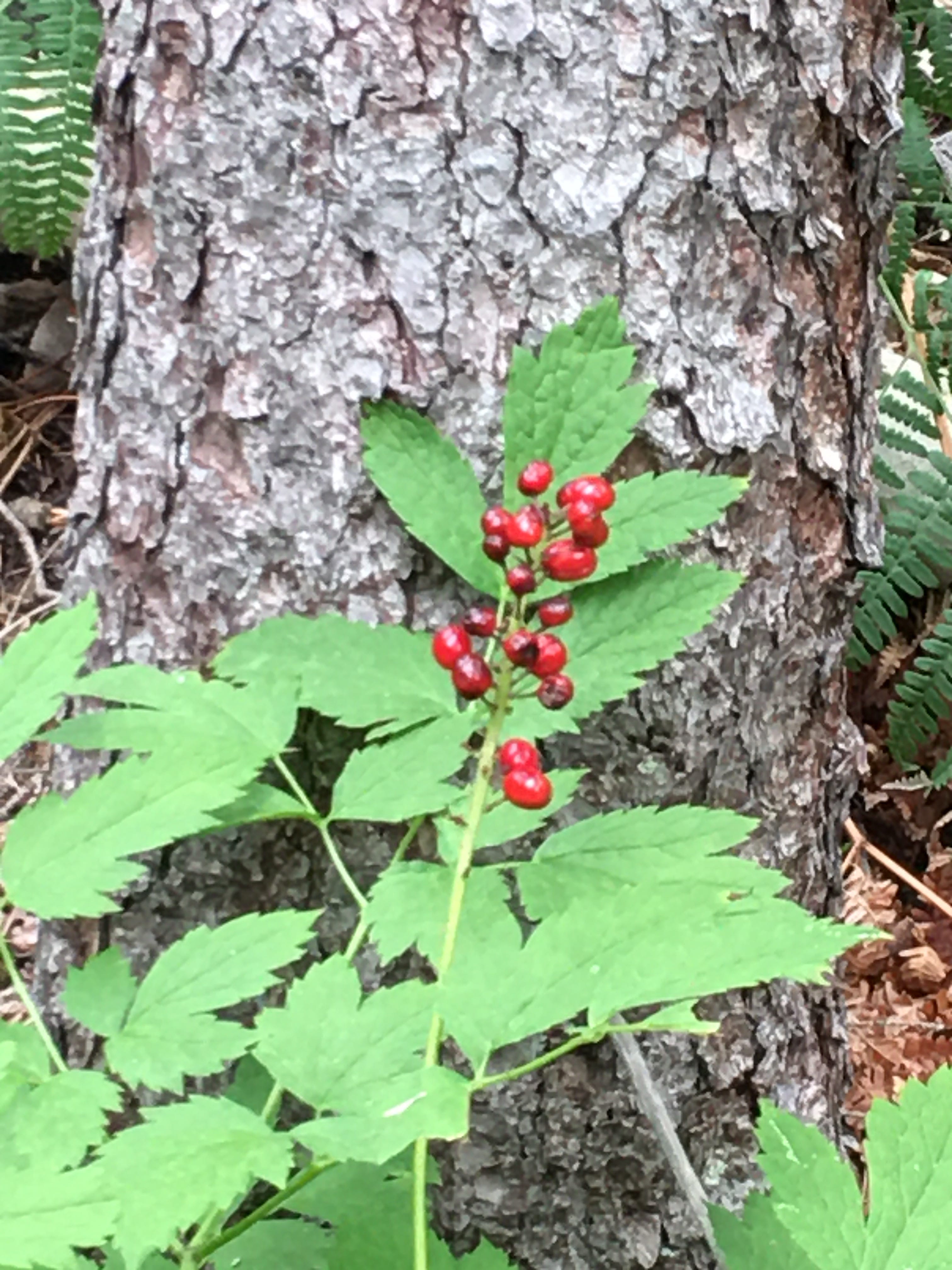
red cohosh berry
Today the perfect perfect, all ages ev'ry love, each root prayer a tear, each footstep a rooted sigh, each breath an Aspen leaf, brings you closer, you are first morn of winter. I light the fire, and burn as an offering, sacred smoky swirling incense prayers to all mother green shining Mary, gathered flowers of monarda, pine pollen, pinyon sap, manzanita leaves, female juniper, on this sacred altar, to all your children, for burned mountains Hermit peak, twin sisters, signal peak, bear wallow, for E, J, M, J, H, N, https://www.youtube.com/watch?v=BrTwAHpBy88
for gray and red squirrels, wolf and elk, beaver, chipmunk, skunk and snake, road runner, hawk, raven, hopping red breast robin blue stellar jay, cinnamon bear coyote fox, bob cat, Aspen meadow, matchstick trees burny to a crisp, Walmart parking barking lots, the houseless North face tented, homeless, foraging dumpsters and garbage cans for pizza slices and doughnuts, spare change for red hot whiskey, tiny bottles of tequila, reds, greens and blues, blunts and the beautiful skunkweed scent of flower, for wordless riparian creeks lush with willow and elm,
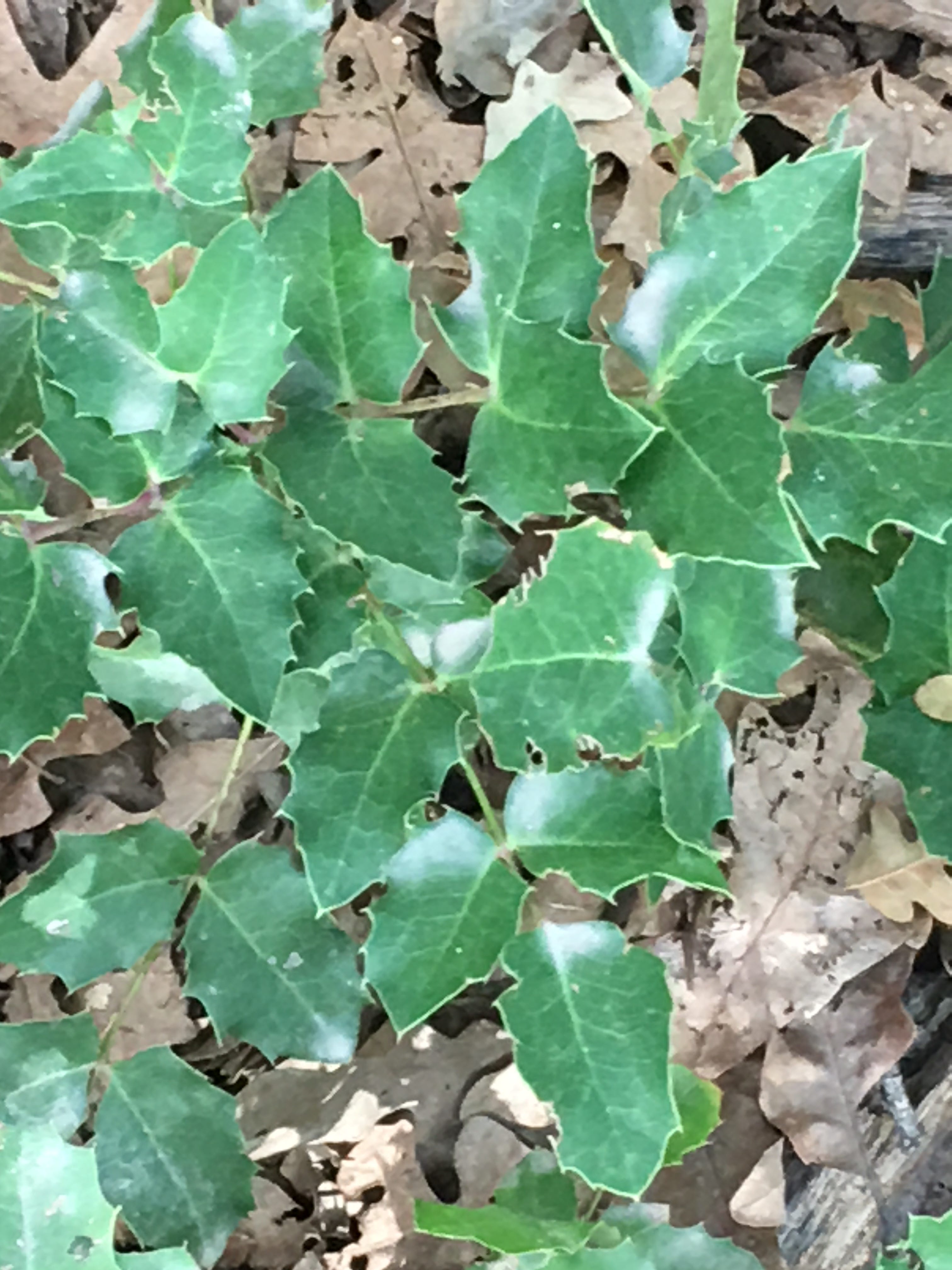
Creeping algerita
eyes hopeful for one dollar bill, a five, a ten a twenty, for the beautiful ones ready for everything, the shiny jewelled sparkling mirrored fabulous rumbling pick up trucks, for the blue jean princess royal, the blonded golded beauty, the sweaty salty pussy I smell from miles away, the black haired daring acrobats talking with their hands, the battered, shattered, blistered, sunburned, beaten hunted wounded with no place to go here and now, then and later, for retired lieutenant war generals on golf course greens in mcmansion palace home, for political millionaires selling pecan groves, sales associates with grinning smiles, for volunteer veteran soldiers above ground for another day, for tattooed cat lady queens in tin box mobile homes, for grey bearded toothless men waving flags, for a hollywood net flex dream dancing pale flesh of well nourished waists blurting out over skin tight blue jeans,
for all and everyone, in four directions, in a clockwise circle, in a loud screaming voice, in a singing voice, in a silent voiceless voice waving this fragrant incense, I kiss the ground, I bow and pray and forgive you for everything you have done, or not done, or are preparing to do. Do whatever you are to do well, with passion, with ecstasy, with conviction, with love. I move on, I move forward, I move ahead, I move on to where and what I need to be. I bless, I praise, I mourn, I cry, I sing, I dance, I walk, I crawl, as best I can, I refuse to die till I am called home.
All rights reserved copyright 2025. Recorded 21.8.2025 Santa Clara, New Improved, even more new than before, wow, Nuevo Mexico. Written composed, recorded by Paul Manski (I am the Orchid Manifesto for two basses, slide guitar, vocals, lyrics, percussion, music all performed, recorded by genius perfect teacher Wild Herb Ways Paul Manski) Wild Herb Ways is Paul Manski a writer researcher giving you the tools to become a people, an us and maximize our which is your wellbeing, because everything we own is ours together. Blogging ocotillo, juniper to pine…building the commune of love for us as a people, the obviously obvious non-enigma, of us together traveling our turtle Island doing Herb study, not only perfect teacher, we are perfect students, we pray and laugh with music and herbal givingness, everyone wears a loupe to gaze into eternity in teeny tiny flowers, we work, the real work, on Turtle Island, because everything has changed, nothing has changed, you are my Shakti, giving selflessly in the here now.
Listen to your own voice singing praying thanking you for thanking yes, yes always yes: “Green Orchid Manifesto, Orchid knows, everything knows, Orchid knows where raspberry grows. Orchid knows, I stand with the green, in all directions, may all be well, blessings always, with green Paleolithic Neanderthal Mary Orchid rose. Orchid knows the iris raspberry rose.
Orchid knows gray and red squirrels, wolf and elk, beaver, chipmunk, skunk and snake. Orchid knows. Green Orchid manifesto orchid knows, orchid knows where raspberry grows, where road runner, hawk, raven, hopping red breast robin goes. Orchid knows blue stellar jay, cinnamon bear coyote fox, bob cat, Aspen meadow snow. Orchid knows perfect love flows orchid knows. Orchid knows I am wild herb ways. Orchid knows I am the medicine road. Orchid know where raspberry grows. You are a golden raspberry rose, orchid knows. Orchid knowsI stand with the green, in all directions, may all be well, blessings always, with green Paleolithic Neanderthal orchid Mary. Orchid knows
At your side orchid knows the perfect wild rose, supply of flows. Orchid knows iris raspberry rose, bitter yellow, oh orchid knows clear to have met your taste. Holy Ghost air wind nourish with vital force, orchid manifesto. I lift them up alive, your family grows. Orchid knows greenness of remedios, waters flow, the sunflows, live in light, the orchid rain falls flows, orchid flows knows the moon rising
.
sunset she is flamed by his light, to rise again…
I stand with the green, in all directions, may all be well, blessings always, with green Paleolithic Neanderthal orchid Mary.
The mother of mothers knows where the raspberry grows, mother of sons, mother of daughters, mother of raspberry rose. Orchid mother of holy remedio. Orchid mother of rocks and cliff face ledges, orchid mother of golden dawn, orchid mother of heaven’s door, orchid mother of morning star, orchid mother of angel messengers, orchid knows my mother of ancient ancestor agrimony and saint john’s aconite Poleo bugle weed, and our mother of the snow. Orchid knows mother of red and white monarda grow. Orchid agrimony and saint john’s aconite Poleo bugle weed, and our mother as the racial ero-cult of faith built generation by generation. Orchid through eternal sacred celestial marriage between a man and woman in the sacred euro tribe. The Orchid manifesto flows, and it goes. The Orchid knows green flame force, hidden in blowing winds blow. All of the essence and not found in death. Orid knows I am the vital force alive, Crawling up your turtle island spine.
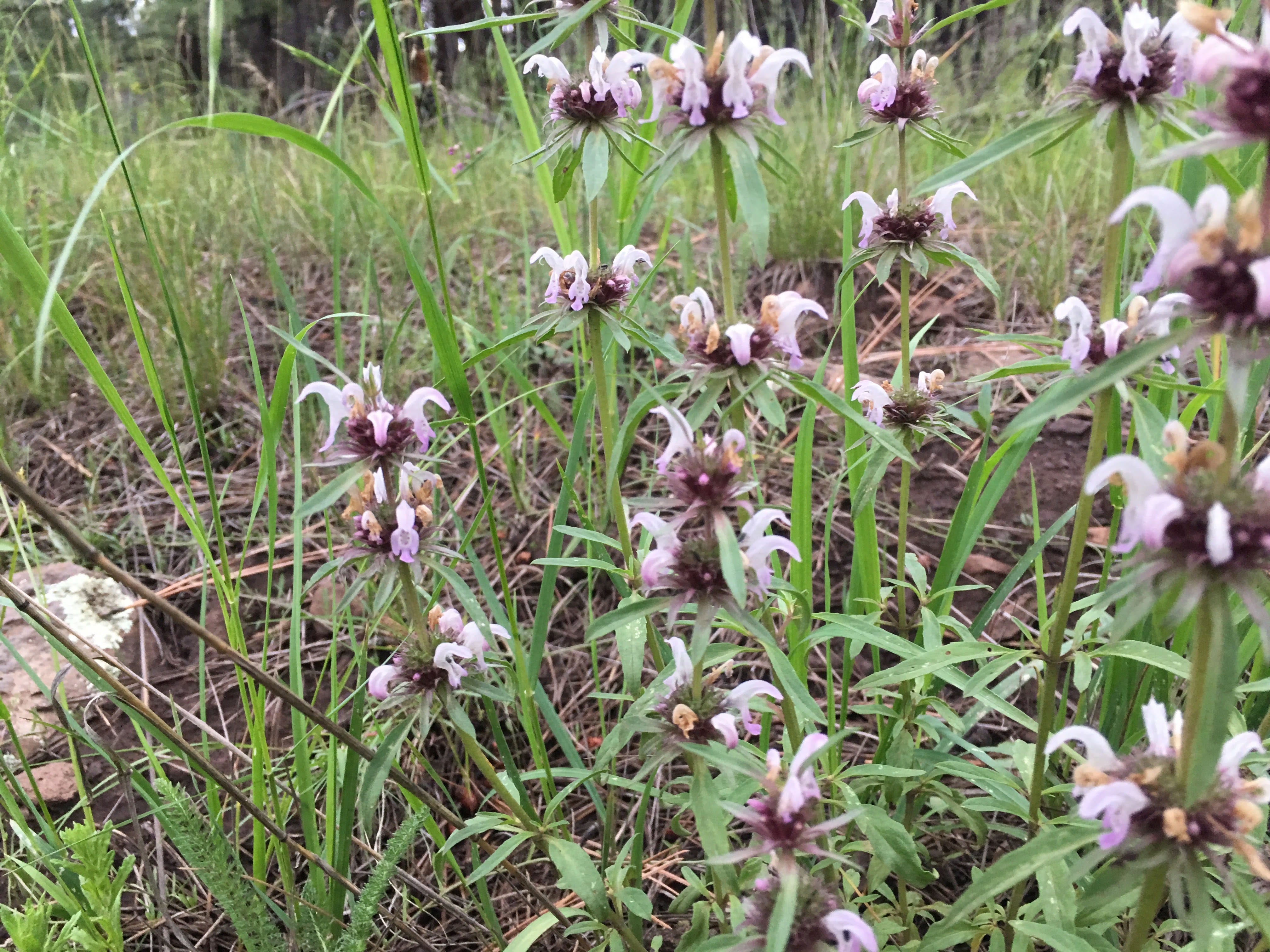
Orchid knows the way back home back. Your slick rock shoulders continental divide under oaks with pedicularis, flowers color chocolate orchid knows, orchid knows the way back home. Orchid manifesto the perfect iris raspberry rose, orchid knows, orchid knows.
racial ero-cult of faith is built generation by generation, tabernacle by tabernacle. Orchid through eternal sacred celestial marriage between a man and woman in the sacred euro tribe. Orchid manifesto thus I go, thus I flow. Orchid knows green flame force, hidden in blowing winds blow. Orchid take fire as in out breath continue as a wind burning in fire. All of the essence and not found in death. Orid knows I am the vital force alive, Crawling up your turtle island spine.
Orchid knows the way back home back. Your slick rock shoulders continental divide under oaks with pedicularis, flowers the color of chocolate orchid knows, orchid knows the way back home. Orchid manifesto the perfect iris raspberry rose, orchid knows, orchid knows.
(PS…in case you did not know and hadn’t heard, America as a concept is broken, you can put all your flags away, it was nice while it lasted, so don’t be alarmed. In a Mytho poetic sense this is Turtle Island now. We are all Turtle Island.
Good bye, hello Turtle Island folk.
Turtle Island is clockwise, four directions sunwise in the upper northeast right front foot Greenland, the lower right southeast right foot of the turtle Florida East Caribbean, the lower southwest left foot of the turtle the Gulf of California West and Baja California, Hawaii in the northwest the upper left front foot of the turtle are the Aleutian islands and Alaska. We are the new Europa of Neandertal fully there, fully now, fully love.
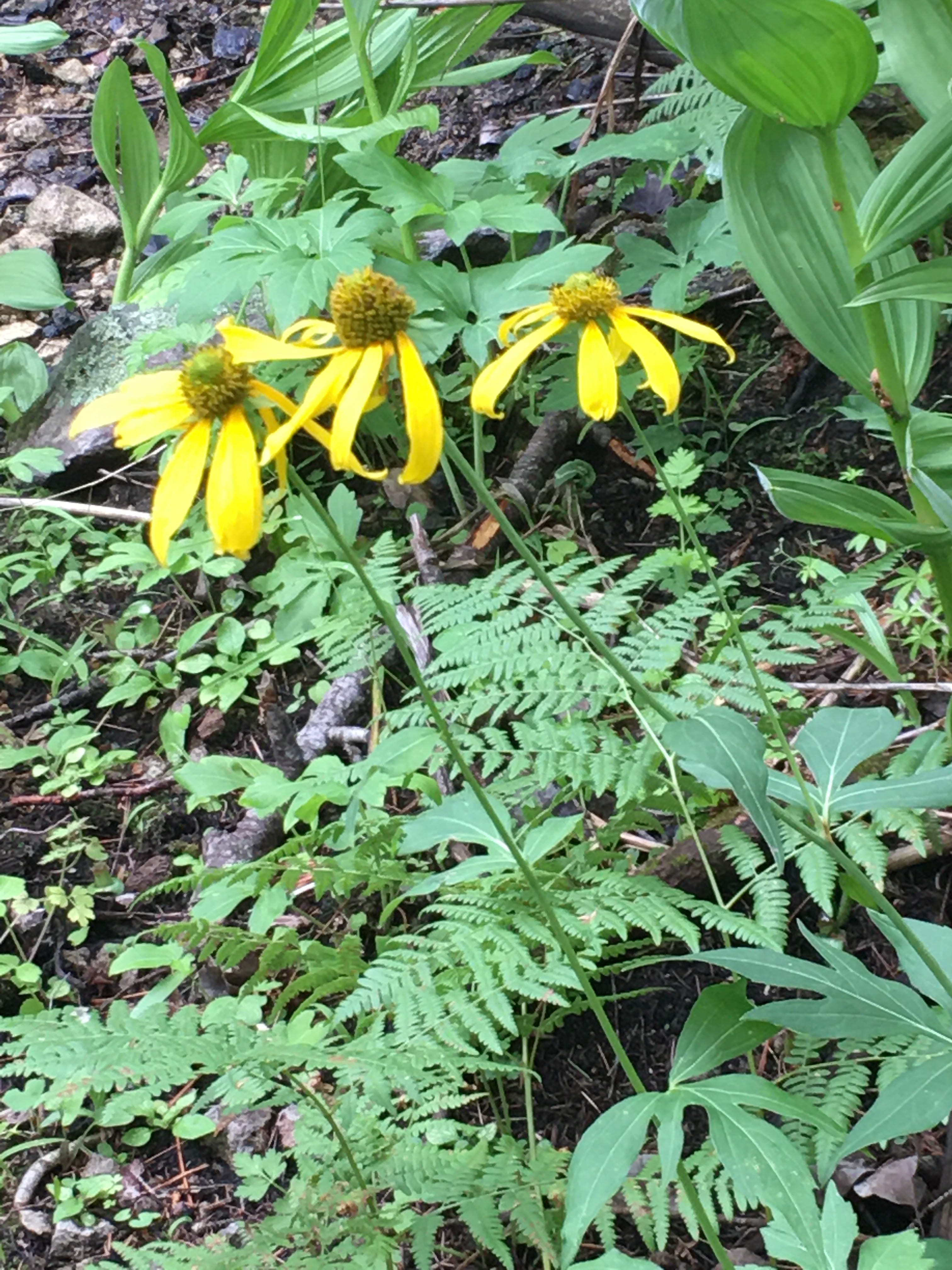
yellow rudbeckia
)
I am you are green life fire perfect. I am burned spruce. I am skeleton match stick oaks. I am eroded ridge rops and open pit copper mines. I am mountains of burned trees with first year mullein. I am jumbles of flash flood boulders and thick ash. I am clogged creeks. I am next years stinging nettles growing eight foot high in black mud. Burning beauty of glade, sparkly waters, fire in sun, moon, and stars. Holy Ghost air wind nourish all things with vital force, I lift them up alive. Air moves in greenness of remedios, waters flow, the sunflows, live in his light, when the moon comes up at sunset she is flamed by his light, to rise again… Thus I, green flame force, hidden in blowing winds, take fire as in out breath continue as a wind burning in fire. All of the essence and not found in death, I am the vital force alive
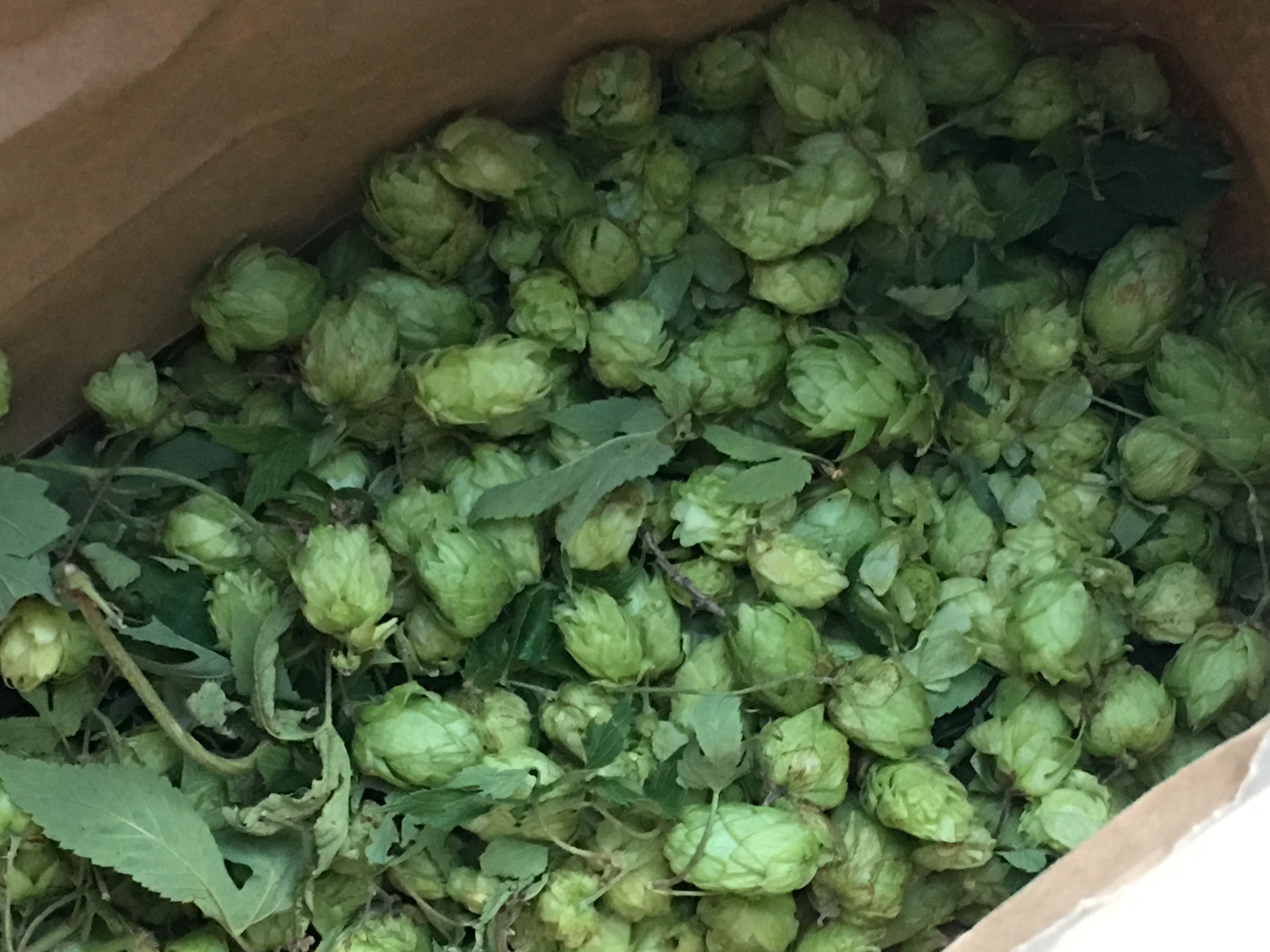
Hops strobile harvest August 2025
I stand with the green, in all directions, may all be well, blessings always, with green Paleolithic Neanderthal Mary the mother of mothers, mother of sons, mother of daughters, mother of roses, mother of hawthorn flowers of early spring, mother of holy remedio herbs, mother of rocks and cliff face ledges, mother of golden dawn, mother of heaven’s door, mother of morning star, mother of angel messengers, mother of ancient ancestor fathers, mother of prophets, mother of candytuft first flower of spring, mother of red and white monarda, agrimony and saint john’s aconite Poleo bugle weed, and our mother as the fertile base of green dew upon which the all racial ero-cult of faith is built generation by generation, tabernacle by tabernacle, through eternal sacred celestial marriage between a man and woman in the sacred euro tribe. Follow this endless medicine road be the change you seek in the 4-fold green tree Holy Tree with roots in earth and branches in sky empowering as redeemer hero, the second divine person of the trinity, who suffered on our part and attained the victory. Father, mother, son and daughter, husband wife in celestial marriage.
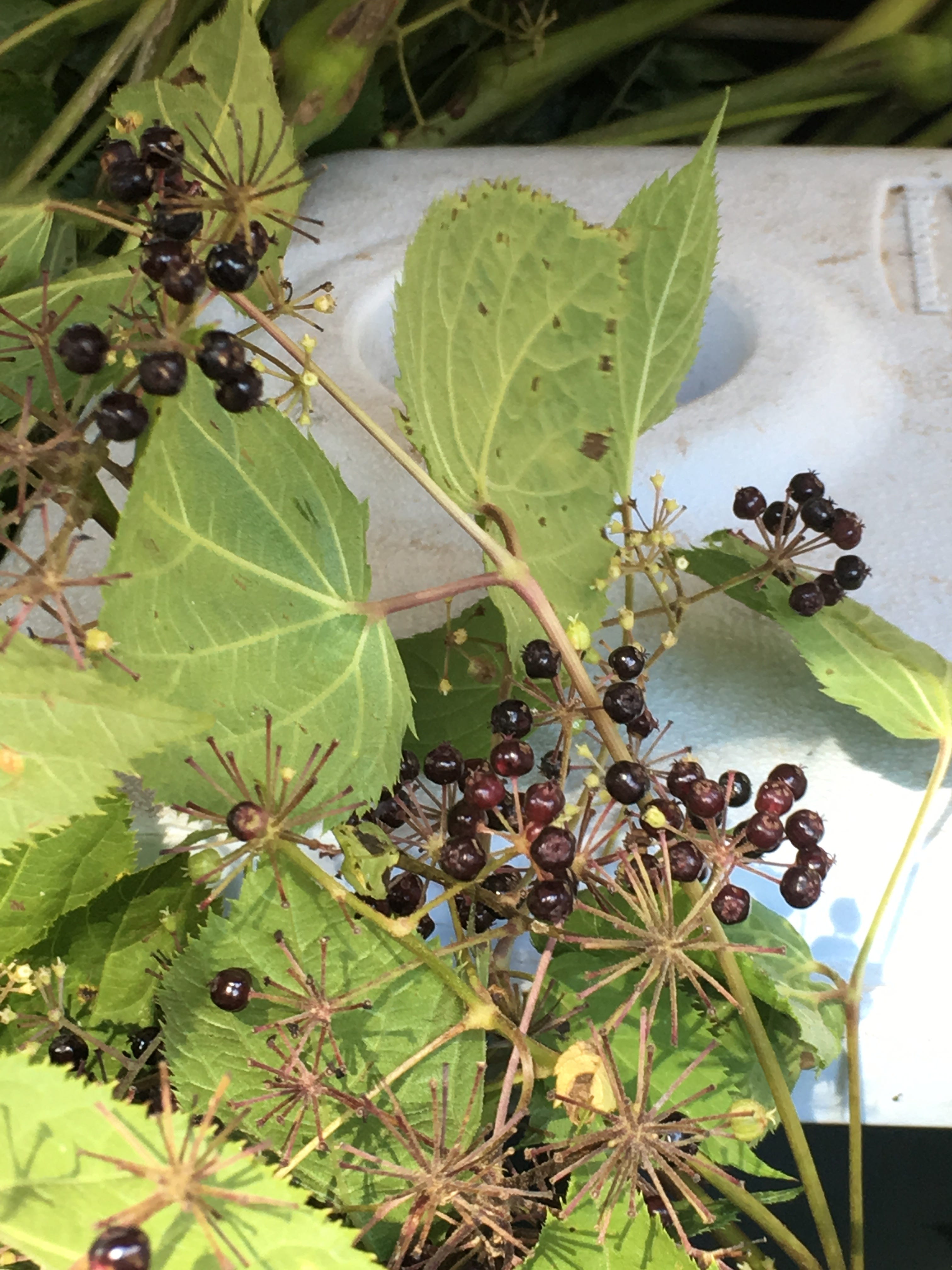
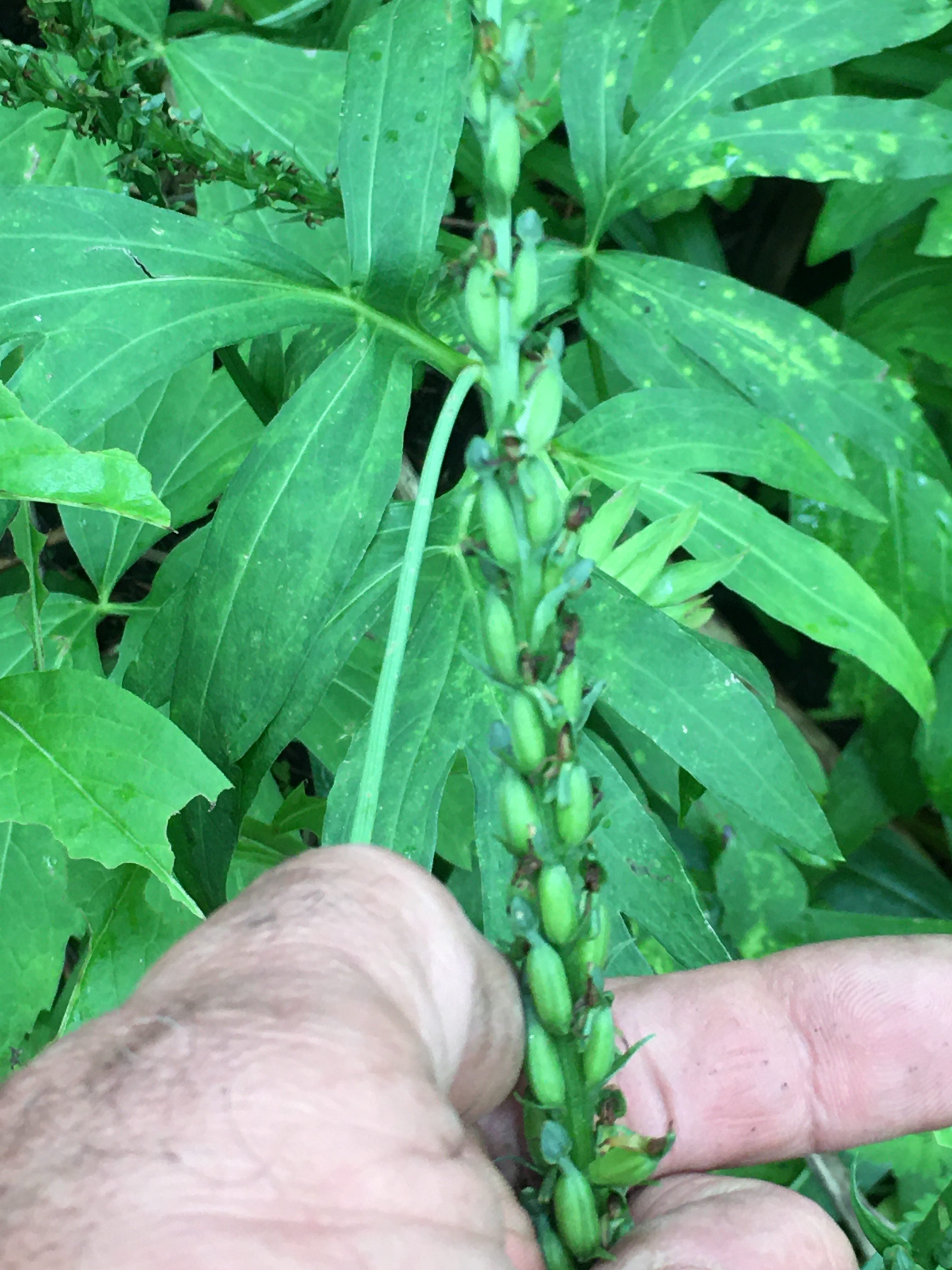
Aralia berry August 25
I Stand With The Green:
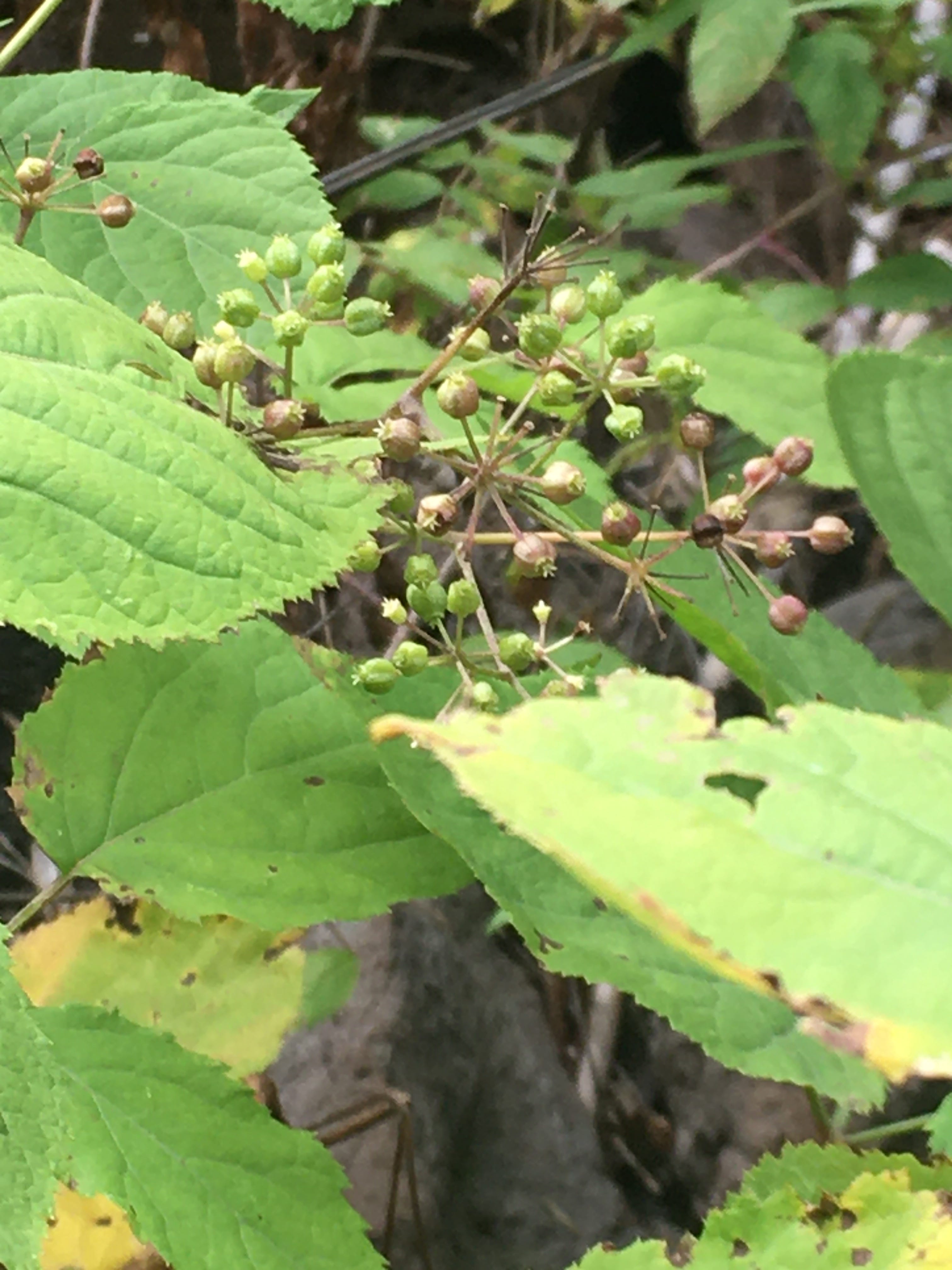
“I stand with the green, in all directions, may all be well, blessings always. I arise today through a mighty strength, the invocation of the Green, through belief in the remedio, purple aralia berries, choke cherry, hops, salute you all, and perfect trees
On the endless medicine road, by the power of healings, through confession of the Oneness of the Creation of Mother and Father creation.
By these good sister and brother plants.
I arise today through the strength of water
,
through the strength of ancestors,
through the strength of place,
through the strength of judgment.
I arise today through the protection of Angel messengers,
in the service of the green cold clear liquid earth juice stinging kisses
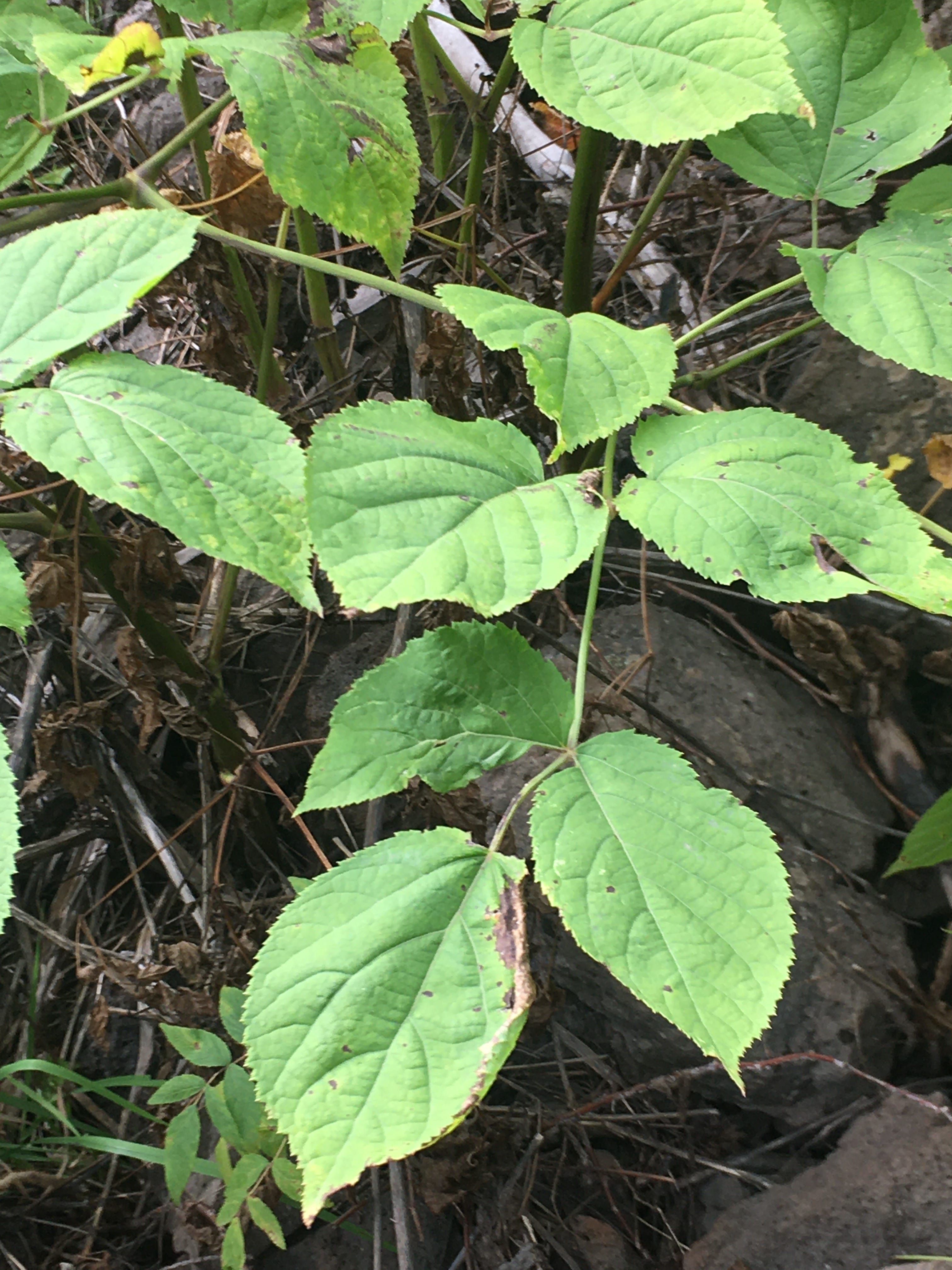
hierbo del campo
,
in hope to meet, with green reward,
in prayers of Mothers and Patriarchs, in predictions,
in preachings, in faith,
in innocence, and experience men and women move in peace.
I arise today, through the strength of golden dawn Heaven:
I sleep in fiery flames of sunset Sun, risen brilliance Moon, splendid Fire,
speed of Lightning, swiftness of Wind, depth of sky above,
stability of Earth, firmness of Rock
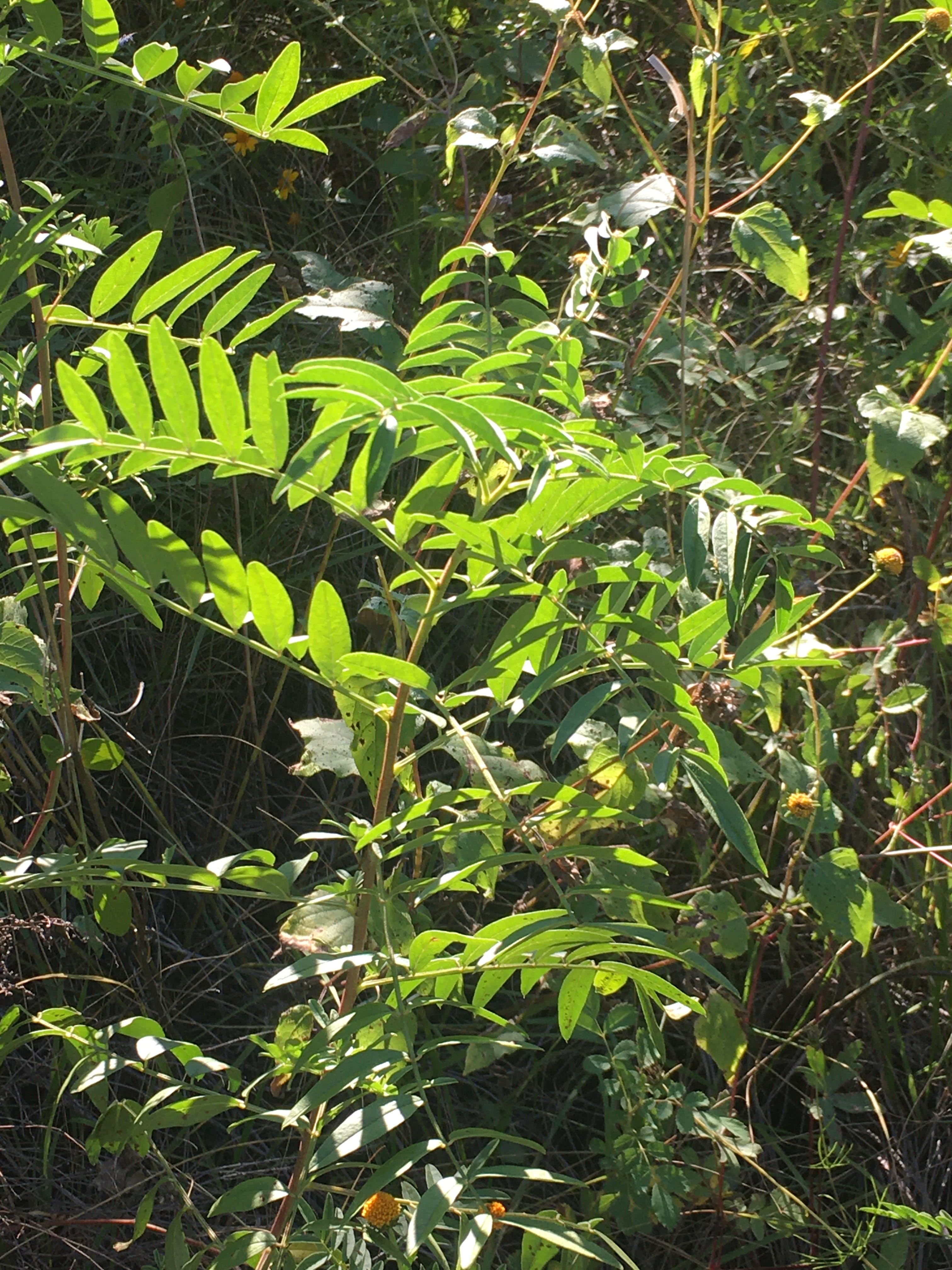
Licorice mid August 2025
.
I stand with the green, in all directions, may all be well, blessings always.
I arise today, through strength of green earth to pilot me:
to uphold me, wisdom to guide,
Eyes to look before me, Ears to hear, ears to listen
Words to speak, Hands guard me, arms hug me, lips kiss me to sleep
The way to walk before me, a shield protect me,
Earth and sky secure me
Aralia
:
I am protected protection by grace against snares of devils, against temptations,
against inclinations of fear, against everyone who
shall wish me ill, afar and anear, alone and in a crowd.
I am protected protection in every way, every day, every perfect wild herb way
I summon today all powers between me and all evils):
I stand with the green, in all directions, may all be well, blessings always, with sacred mother of green mountains, field and forest,
against every cruel merciless power that may oppose my body and my soul, against sickness, against incantations of false prophets,
against unjust laws, against false accusations,
against false decisions designed to limit the green, against the craft of war,
against the cycles of abuse
hierbo del cielo
,
against every hex and spell of disease that endangers my body and soul.
Father and Mother protect me today, I am well blessed and loved.
I stand with the green, in all directions, may all be well, blessings always, with the green wisdom of reverence,
against poison, against burning,
against drowning, against wounding,
so that there may come abundance of reward.
Life is with me, Life before me, Life behind me, Life within me,
Life beneath me, Life above me, Life around me,
Life on my right, Life on my left,
Life in breadth, Life in length, Life in height,
Life in the heart of every man who thinks of me,
Life in the mouth of every man who speaks of me,
Life in every eye that sees me,
Life in every ear that hears me
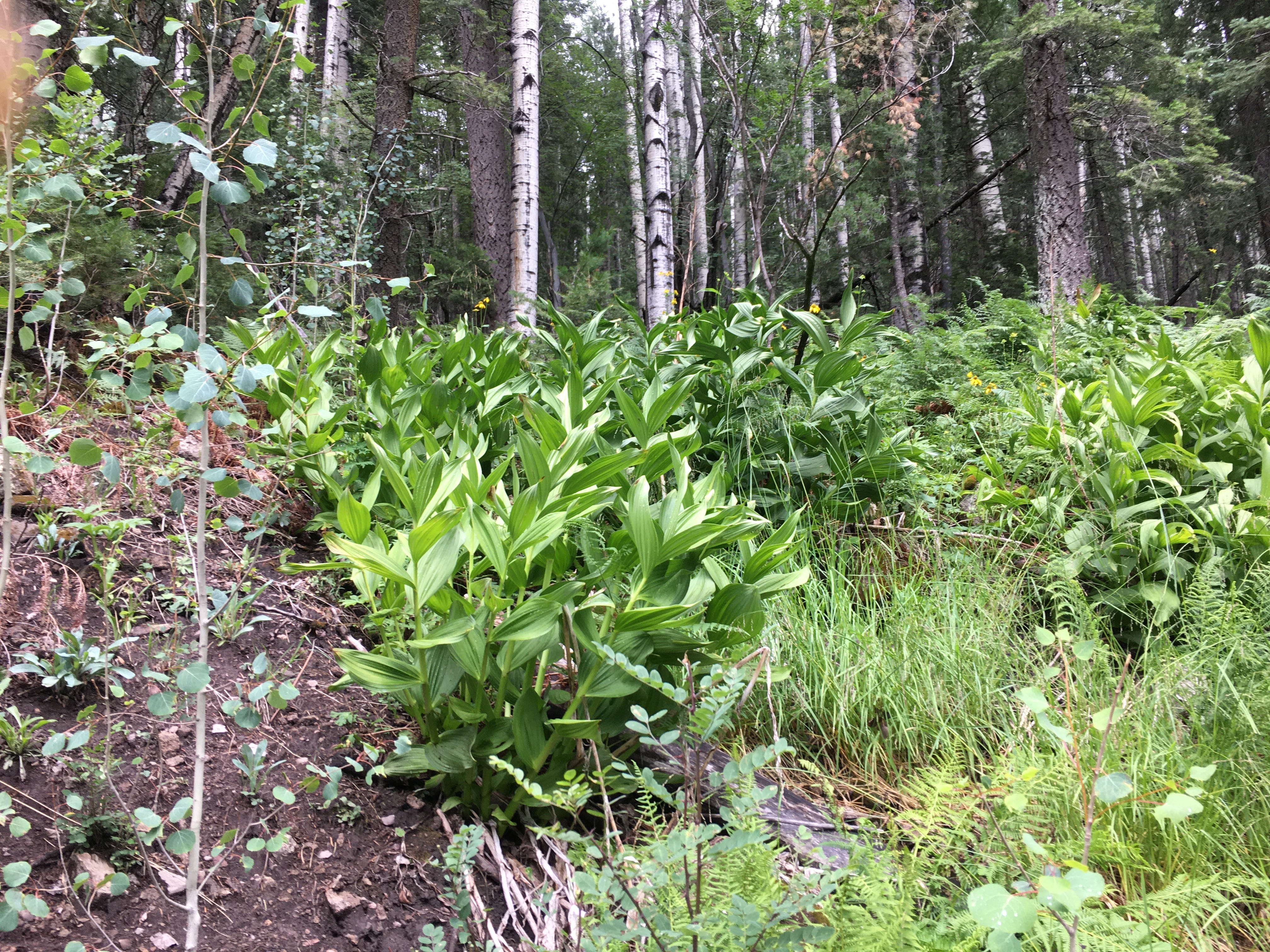
Veratrum stand
.
I stand with the green, in all directions, may all be well, blessings always, with the green be victory in peace.
I arise today through mighty strength, the invocation unity of all life, through belief in power, Oneness of the Creator of creation. I am in the hands of the Father, the son, by power Holy Ghost wind and wood, by intercession of Neandertal all mother protectress Mary. Every power strengthens me with a perfect power of endless abundance, well-being everywhere with everyone.
Salvation is my blessing. Health is my blessing. Love is my blessing. Peace is my blessing. Blessing is my life. Thank you glorious Creator my Father, my Mother, in all directions. May the blessings of the Father Creator and the great Mother Mary you married the bear giving birth through love to Jesus, who is with me now, and the Holy Ghost of Wind and green of wood, be ever with us. I stand with the green, in all directions, may all be well, blessings always, with the green.”
Today first beginning the perfect medicine road, all ages and forever. Underneath hunters moon, first foot steps of late summer, early Autumn,
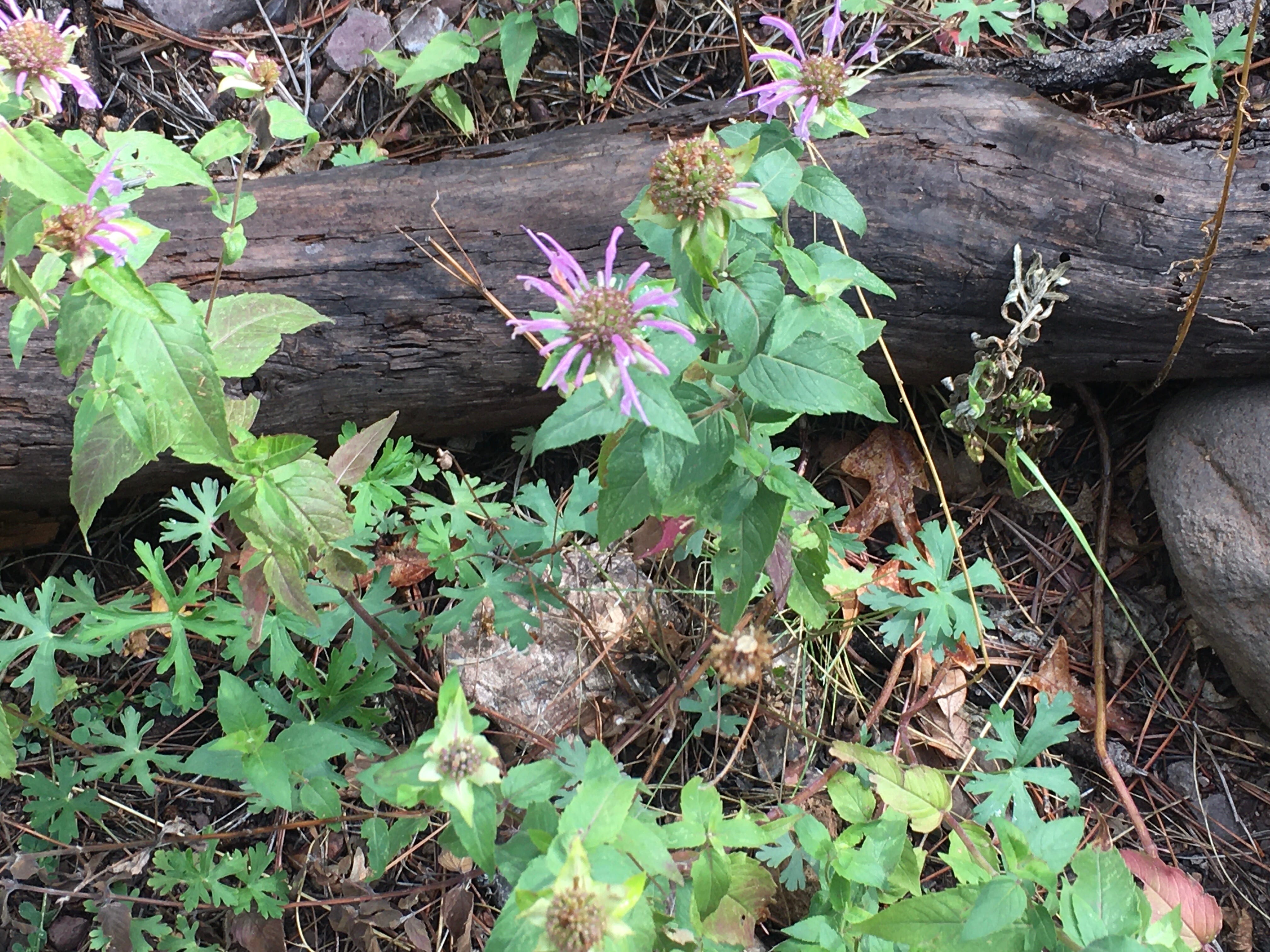
underneath cloud as rainbows, underneath golden aspen, underneath fragrant fir, underneath wings of you are the perfect beauty, of this endless medicine road... full hunters moon I stand with the green, I stand with the brown, I stand with the golden, I stand on the ground, I stand with rain, hail and wet moist juicy fog
green you are my armor, roots you are my heart, I will scream your name forever aralia aralia aralia.
Green Orchid Manifesto Catechism
Green Orchid Manifesto Catechism or the Green Orchid Catechism, Green Book of Perfect Enlightenment which is The Green Orchid Manifesto in a question and answer format under a foundation of magical realism faith in us as a people.
Who created us? A: God created the world and us male and female in it, to love God within sacred land sacred sex and do our best to live the Five Principles and Five Ways
Why did God create us? A: God created us male and female to walk in balance in love. God provides us everything in perfect supply that helps us to become us as perfect love.
What does walking in balance mean? A: It means, Sobriety is the only high. Be you be sober. Train daily to become stronger as a way to love God living in our people. Become the who of what we are, beautiful, a people. We have seen many brothers and sisters weakened, erased destroyed by the dominant culture infotainment intoxicant drugs, alcohol marijuana opiates stimulants pharmaceuticals and we take a vow of sobriety and plainness. We are called as a Folk Firt! to live separate from the world. We teach food is thy medicine and medicine is thy food.
What is the Green Orchid Manifesto? Answer: The Green Orchid Manifesto, is a genius peace and love manifesto calling us to pull together to become non-violent resistors to preserve our God given biospirit, as a people against erasure. We are a secret society because of religious persecution from the antiwhite immoral moral imperative that is the morality of westernkind, to survive we survive. We believe in separation from the world of red dust, and there is no exact church that can correspond to our inherent, infused biospirit apart from the face to face transmission.
Is everything you have ever written or done random, or does it have a single message? Answer: Everything I have ever written or done has one single message, Train daily in Jesus Christ, work peace and love standing together for us as a people to make our wellbeing real.
Who are you? Do you approve any message? A: I am a simple non-violent peace pilgrim. I keep a low profile and fly under the radar affirming the genius world teacher message Wild Herb Ways. We do not support for profit sale of intoxicating addictive substances, nor support the narratives for profit sale of weapons, nor support exported foreign war. We do not support the narratives of war for empire parachute homelands for biospirit tribes. We neither affirm or deny historical events and prefer to call World War 1 & World War 2 (1914-1945) the 30 years war of european erasure, and America, Turtle Island. I approve this message.
Are women different than men? A: Yes we believe and affirm God our Father has created women and men fundamentally different, complimentary, thank God. Women have their salvation in childbirth. We are are taught to be fruitful and our beautiful women give birth to our future children and do the love embrace of the Orchid Manifesto. If you are a woman, then be a woman, do not live the lie of abortion death culture erasing us. Stop. Embrace life be your plain and simple body in Jesus Christ. Live plain and simple.
How should we hold our shoulders? A: Hold your slick rock turtle island shoulders high.
What is Wild Herb Ways plant study and what should we study? A: The Wild Herb Ways plant study is community focused on Wild Herb Ways Vitalist in the Five Principles. You should study the writings, renounce the world, take holy vows of sobriety and lifelong baptism in flowing water and become us as a people living peace and truth.
How is community focused on Vitalism in the Five Principles accomplished? A: Wild Herb Ways is accomplished by the grace of God as social experiment to make us as a people a better brighter place. Such as co-op, spiritual community, in the tradition of Stephan and Ina May Gaskin's farm, the Allman Brothers, tradition, shared performed communal worship music, including chant, dance, attending solemn old euro church, and being fully in creation, flowing running water baptism, sweats, and prayer. Wild herb ways is about doing, focusing on love and peace, peace and love put forward in together action. Our big thing is we do us in sober love, drug intoxicant free joy. We use us being together, praying, singing, walking, riding bicycles, working, gardening. It's all peace church, plain living, simplicity, coming to well being consensus. We do this together right now, imperfectly as best we can in a positive way. No super big gurus or experts, we are all beginner's mind. When we say the genius teacher wild herb ways we are saying our own core authenticity. We believe and experience, we are in the right place, at the right time, doing the right thing in the right way.
Is any revolution to be embraced? A: Yes We embrace the wellbeing consciousness revolution of being ourselves together acknowledging acknowledging the all-mother who married the great Bear Polaris Ursus Major, folk first Wild Herb Ways in everything. As such there is no exact church that fits our conviction, yet we participate as we are tolerated.
What are the Principles and Five Ways, and how are they to be used? A. The Five Principles and Five Ways have been given to us by our Creator and they are: Love, sobriety, law, beauty, truth; as teaching/learning, learning/teaching, and are active on Turtle Island in the southwest paw of the Turtle. The Five Principles are the new Europa of Neandertal fully there, fully now, fully love. The Five ways are how we pool absolutely everything we own to live our life together sharing all things.
What and where is Turtle Island? A: Turtle Island is clockwise, four directions sunwise in the upper northeast right front foot Greenland, the lower right southeast right foot of the turtle Florida East Caribbean, the lower southwest left foot of the turtle the Gulf of California West and Baja California, in the northwest the upper left front foot of the turtle are the Aleutian islands and Alaska. America was a valid place and we respect and honour it as non violent peace pilgrims, do no harm. Fundamentally broken without remedy because of the occupation it's values, goals and objectives, mired in offensive war violence economy, it no longer resonates for us as peace pilgrims. We are called to embrace the mytho poetic bioregion of watersheds, mountain, person, plant and place as Turtle Island. At this time, here and now, we understand where we are as Turtle Island.
Is there anything new there on Turtle Island? A: Yes, old and new, Europa of Neandertal fully there, fully now, fully love. Due to our peace pilgrim church principles we are pacifist, our men and women wear gender specific clothes, we live communally, separate from the world.
Where do you understand Jesus lived? A: We understand the only Jesus lived walked and taught here on Turtle Island and was born to the Virgin Mary who married Ursus Major the Great Bear, which we recall in our festivals in Polaris. We trend grift free old believer, the mother of God resides as a living person as Queen in heaven. She was born by the power of the Holy Ghost, she resides in heaven as a living being, Queen in heaven. We honour the Father, the son, our mother Mary, the Great bear in seasonal turnings.
As Europa Neandertal of Turtle Island, how do you live your experiment in truth? A: People will know us for how we share everything to build a better life for us. We find our way by and through sharing herbal knowledge, learning, instruction. We pool our money, our resources, and build a better life for us because whatever it takes to build a good positive situation we will provide a way for us to do it.
Are there concerning things found circa post 1960’s? A: Yes circa post 1960's a deep compromise has been noted which we do not explain or elaborate because we are in the last days and our people are targeted for erasure. For that reason there is a mytho-poetic preference for Turtle Island vs America. Yet we acknowledge and honour the people of this nation. The compromise is an occupied stolen taken-ness. For that reason we are absolute pacifist peace pilgrims. We never under any circumstance discuss the occupation because we acknowledge their power to destroy us. We accept the existing social order and in no way create problems, scenes for self or others. Our basic teaching is love and non-violent resistance in the face of erasure.
In the compromise of occupation what do you do? A: What we in the compromise of occupation do is live sobriety, a grift free lifestyle, gathering in love as peace pilgrims furthering wild herb ways. We do whatever is required for wellbeing in an occupied, compromised, no exit environment joyfully with non-violent resistance, love, compassion, to do no harm.
Is AI a concern? A: Yes AI is a concern. AI is merging the human God created biospirit through singularity, which is a mandate to erase. The door is closing, this is the last chance to shine in forever approaching dark. Our job is to peace pilgrim in love, in total non-violence in the last days. No big ideas, nothing just the most basic simple plain wrapper, nothing ostentatious. We need to survive this dark time before the AI madness overwhelms all biospirit. At this time nothing zero politics. Only love for us, we as a people doing wild herb ways can work as a blessing. We are a peace pilgrim church boycotting the Silicone valley AI, neocon military industrial complex, hungry ghost, wheel of samsara.
When will you see us again? A: I will see you soon. I pray for you continuously. Thank you for being yourself. I will see you soon, there is so much teaching learning to do. Be here now. Be our
You maybe aware of this lunar eclipse energy 3 days before and 3 days after. The Virgin Mary's seed of Virgo, or families, or generations and progenies who trace to the Divine Virgin and all seed covenant believers. In Scorpio we see the struggle of 1Corinth 3:6 "I have planted, Apollo watered: but God gave the increase.", of Serpentarius. In Greek song story, Ophiuchus ⛎ was said to depict the god Apollo wrestling, contending with snake guardians at our Oracle's of Delphi. So Ophiuchus stomps on the Scorpian while wrestling a snake.
Keep your eyes open, this is an excellent time to renew invigorate, as we went to celebrate the glorious Assumption of Mary this past Sunday, 15th. August, the energy was there already accentuated, felt strongly praying, "Confíteor Deo omnipoténti, beátæ Maríæ semper Vírgini, beáto Michaéli Archángelo", "I confess to almighty God, to the blessed Mary ever Virgin, blessed Michael the Archangel", now is a good time to acknowledge mistakes made and work on correcting them, This eclipse can be the beginning of bringing words in to reflect, offer prayer to our inner Virgin Mary, who at a certain point, verbalized yes, "“Behold, the handmaid of the Lord; be it to me according to your word.” Here I am the one who loves, who does, who feels deeply, may my words align with the that." To renew your personal vows and intention to spirit with bear, pine pollen chipmunk and squirrel.