

Recently, I explored the phenomenon sometimes referred to as "living with plants." I wanted to delve deeper into the meaning of "living with plants" from a bioregional perspective, especially within the context of open group discussions and hands-on practice, and how it relates to "signatures" and "signature" theory. I also wanted to discuss the historical background of "living with plants" and its connection, in a group context, to the rampant infectious biophobia and ecophobia—two phobias that are both contagious and practically curative. Of course, the so-called curative refers to the superhuman herbalism of that brilliant world mentor and his instruction to "become one of the locals," instructions that are now active and fully utilized among us. "Signature" theory suggests that meaning and fundamental good are based on people, plants, and place, rather than random, meaningless, anonymous combinations.

Now, starting to "sit with plants" is actually about being present with the greenery all around us. Sitting with plants is not just about sitting with them, but about standing with them, walking with them, being present with them together, and experiencing the greenery together. Therefore, one of the core questions I raise is: "Are you willing to dedicate everything to this community of experience?", "Are you willing to become one with us? Do you love the way home?", and the most fundamental question is, upholding the concept of "human-centered! Land-centered!", to open your palms and explore, "Where does all this come from? Our specific biological regions—hills, streams, watersheds, air, trees, water, animals, and our fingers, toes, eyes, and mouths as tools of scientific perception—all have intrinsic meaning because we live, act, and exist within God's creation. Open palms symbolize an invitation and obligation, allowing us to see, touch, and taste. Free will refers to ourselves, as active participants in this meaningful place of existence, just as a pine seedling sprouts from the soil, or a lemon-scented mint seed germinates in the endless forest ecosystem woven by mountains and rivers. Our life spirit creates beautiful, noble, and lovely cultures because we are beautiful in essence."
Regarding community empowerment and our re-emergence as people of this land, I would say we are embracing our unique national solutions mindset toolkit. "Once you are loved, you become needed," says one of our brilliant world mentors. In short, this movement stems from the fundamental reality of close contact with plants and wild natural places, from face-to-face, instantaneous group activities. Real life, real places, real people, real plants, real faces, and immediate, profound ecological insights into our specific bioregions. When I say "wild natural places," I clearly don't mean absolute wilderness or absolute nature, nor the purely spiral kind of nature. We don't seek purity, nor impurity. As a nation, we support the unique, innate biocultural characteristics of each of us; we are fascinated by each other, by our people, and by ourselves as good people. We support and strengthen the weakest link in our national chain. For the sake of formal documentation, for those who take notes, record scores, and strive to maintain balance, this is the whole process. We wholeheartedly love ourselves, are true to ourselves, and are fully committed to ourselves. All we have is our spiritual journey. What I mean is, anywhere plants grow, as long as you can be with them quietly. Any place, any environment where you are relatively undisturbed from others is the right place, the right time, the right space. This is often a park, or it could be a “natural” national forest campsite or trailhead. It could be a national monument, a state game reserve or state forest, a city or county park, or even a backyard or garden. Most importantly, we are intentionally working with plants to alleviate suffering and enhance well-being, while rejecting the selfish individualism inherent in the myth of endless economic growth and the war economy mindset. We are pioneers of peaceful, nonviolent resistance. It can be anywhere, anywhere plants grow, and we, as a community, are learning how to help each other. Plants are everywhere, so this practice can take place anywhere. It can happen spontaneously, or here as a conscious practice, unfolding in a loving, caring, structured environment, like a garden, a medicinal garden.
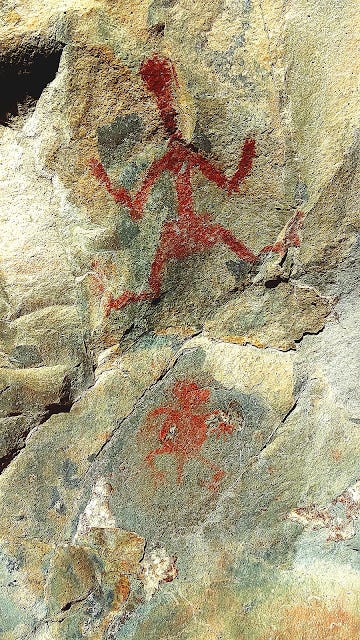
So, what is the essence of living, interacting, and collectively with plants? First, it requires gathering together with a willingness to be with plants. Many plants were summoned, many more were chosen; before we fell asleep, we had already traveled thousands of miles. Teamwork is crucial; before the activity began, before the process started, all participants more or less agreed on some shared interests and goals. Therefore, we committed to investing time to interact with these plants in a healing and caring way, thereby awakening a new and profound awareness of the gifts they offer. For us, herbal medicine is everything. We have given everything for each other. It can be said that we share common rules and common hopes. And all of this begins with a shared understanding of respect. Especially respect for the concept of "folklore first"! Respect for this land, respect for this gift of love, respect for the vibrant flame of life behind every breath. Respect each other in the community, respect this land, respect the plants that grow in Veriditas, respect and appreciate our circumstances, in which we all live together, alongside people, plants, and this land. Respect our opportunity to build this love-centered community with our own hands.
First, wear loose, comfortable, and seasonal clothing for your outdoor adventure. If it's raining or rain is expected, prepare rain gear. A wide-brimmed hat will provide sun protection. If it's hot, bring some drinking water, such as clean water or tea. You might also need some cushions, pillows, or blankets. In short, be prepared to spend a comfortable day outdoors with a small group of like-minded, dedicated friends.
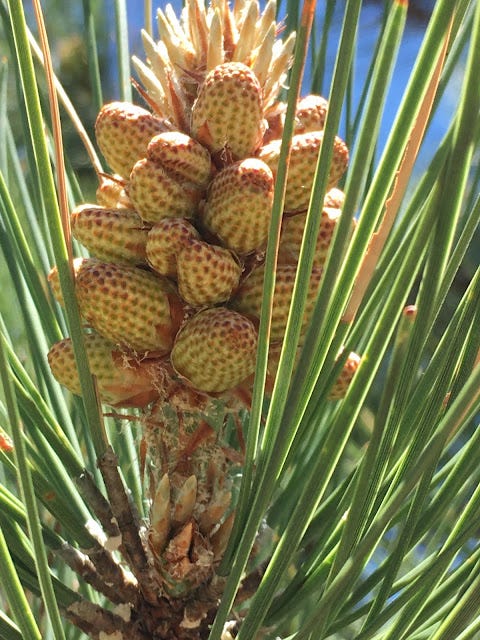
Plant-Based: Sensory Phase: First, form a circle in an outdoor space with your brothers and sisters who have committed to this wild herbal healing process. Begin by introducing yourselves to each other and the location of the event. This is the first time we've met. Ideally, this should be a multi-night camping trip. Begin with a 20-minute to 1-hour silent walk. Afterward, form an intention circle where each person introduces themselves and their intentions and expectations for the process. You can gently hug each other. Hug the trees as you would a beloved family member, then hug everyone in the circle, showing deep love. You can also reach out and hold hands with everyone in the circle, forming a circle. We are a sacrament of love, offering our bodies, hopes, and dreams to one another, like the air, trees, water, and animals. Depending on how often your group conducts such activities, you may need to designate an informal facilitator to explain the content and flow of the activity so everyone has reasonable expectations for what follows. The group organizer could say, "...We are now in contact with plants. Please point to ____, this is the plant we are currently with... We are together." A specific plant directly in front of us must be pointed out. To avoid confusion, the guide needs to point out this plant and similar plants nearby, as well as whether there are any poisonous oaks, poison ivy, or other poisonous plants nearby. Then, a short circular walk is taken, including key points of the biosphere. Remember, we are "in contact with plants" to give thanks for being alive, able to breathe, and able to breathe another day.
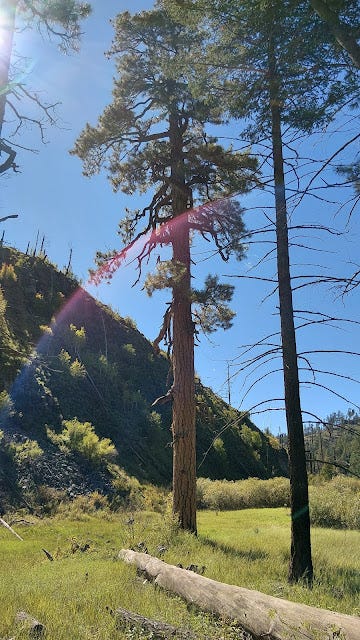
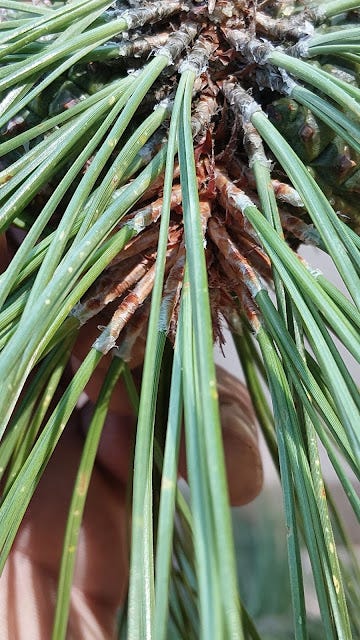
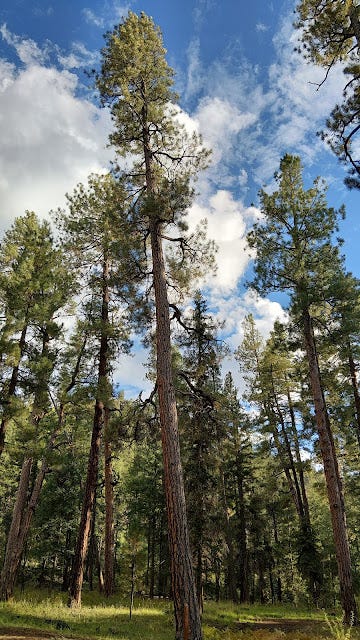
It's best to begin practicing with larger plants, such as trees. This could be a large woody shrub or a tree, like a yellow pine. You need a thornless plant that you can truly embrace. This type of tree or shrub should be easily recognizable and not irritate the skin. For us, for our people, for this land, for us, this sacred yellow pine is our gateway plant. Embracing a tree is the beginning of "living with plants." By embracing, kissing, and holding a tree, we promise and vow to learn to embrace, kiss, and hold one another. We pray for our departed ancestors, for those who are with us, and for our future generations. Who knows, perhaps today, a beautiful child of God, a child of the forest, will be conceived here, and we welcome this child to be born among us through this ritual of "living with plants," and to become a more complete people through this ecosystem, this biosphere. You might want to touch the bark of the yellow pine. We consider the yellow pine our dearest friend, entrusting all our hopes, fears, pleas, and beliefs—the source of life, our intrinsic value and dignity as human beings—to this tree. You might want to smell the bark, feel the fragrance of pine pollen filling the air, and together we drink this pine pollen tincture, our blood mingling with the vibrant green chlorophyll, finding redemption. At this moment, this vibrant green chlorophyll surges through our bodies, filled with blessings and gratitude, bringing ultimate joy with every breath. Press your lips to the pine, your teeth touching; gently touch the bark with your tongue, savoring the taste of pine; touch the pine needles, intimately connecting with the pine. Embrace your plant companions, may our people be connected, closely united.
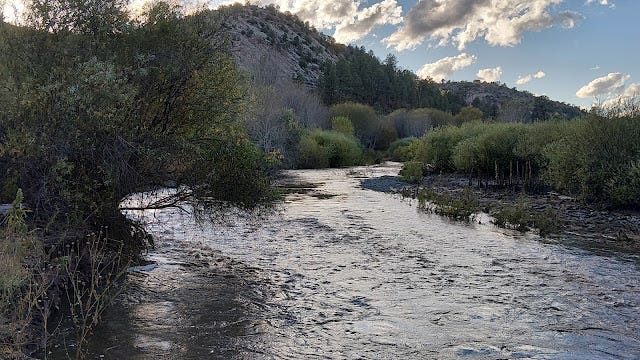
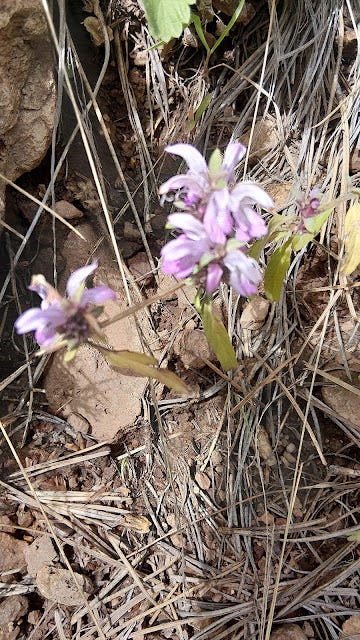
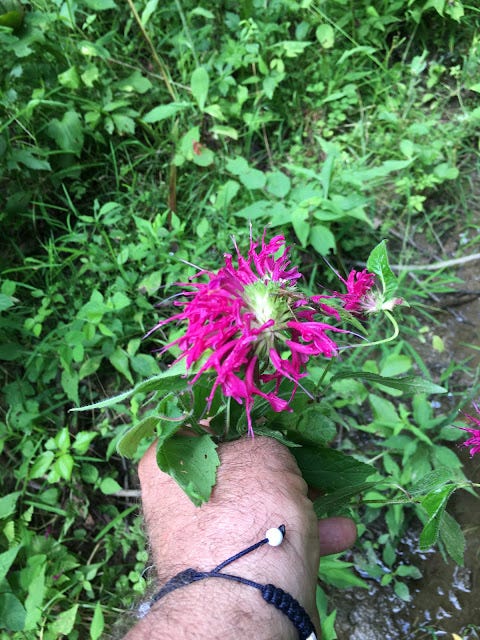
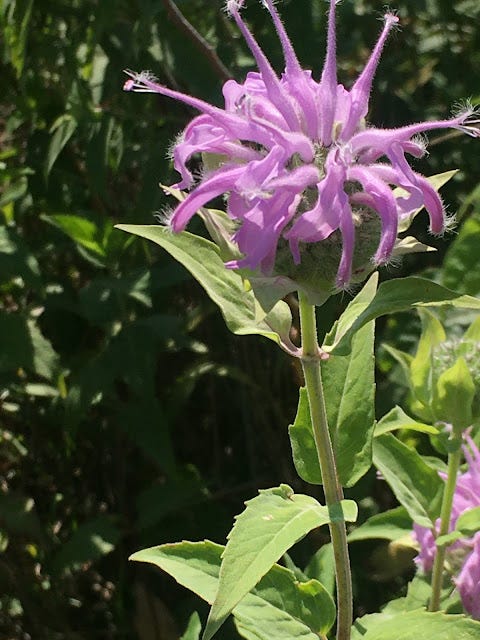
Of course, if you have small plants, herbs, or annuals in front of you, rather than large perennials or shrubs, you can have everyone in the group come up to one of the plants and treat it as "their own." For example, we once had a plant called "Monarda" displayed in a group activity. Monarda belongs to the Lamiaceae family (Mentha family). It has a strong aroma, so you can have someone taste a leaf. Observe the Monarda closely, perhaps using a 10x magnifying glass. Observe the stem, touch the square stem. Observe the arrangement of the opposite leaves, smell the flowers and leaves, and so on. You can gently press your ear close to the ground where the plant is growing, creeping closer to the plant so that you are at the same level as the plant, looking at it at eye level.
Each member of the group has had some form of contact with the plant: sight, touch, smell, and perhaps even taste a leaf. If it's a medicinal plant, a tincture can be prepared to hold the plant to be used; if it's a plant like lemon balm, a glycerin extract can be prepared. A small portable stove can also be prepared to brew tea with the plant for members to drink. These are all feasible methods. All of these are achievable, so this is not a quick process. Furthermore, this is not a monologue, but a collective exercise in "being with plants." Perhaps it should be called "interacting with plants"?
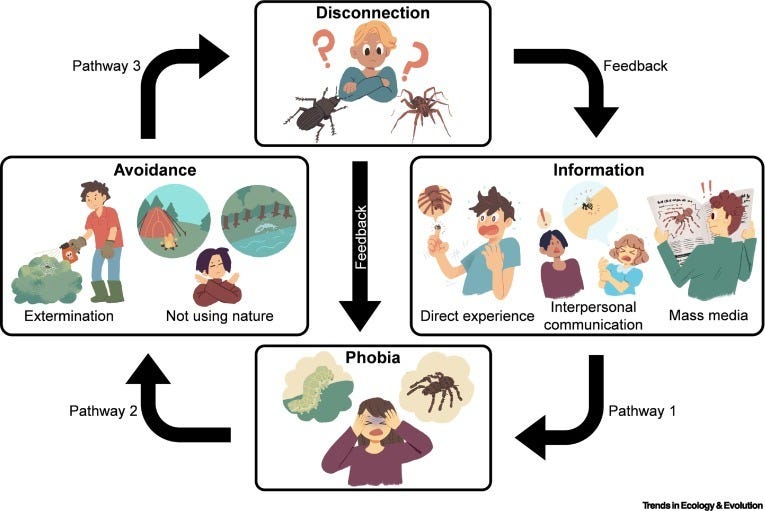
The next stage of "living with plants" is the intuitive stage. I'd like to mention a common problem in "living with plants," especially in the context of urban communities: fear, anxiety, and varying degrees of unease about the outdoor environment. Both biophobia and ecophobia are manifestations of a disconnect between humans and nature. Biophobia is an aversion reaction to natural stimuli, characterized by fear and disgust. Ecophobia is a feeling of helplessness, despair, and powerlessness regarding climate change, environmental degradation, and ecosystem collapse. Whether it's ecophobia or biophobia, the outcome is similar: people passively accept that inaction is the only option. The intuitive stage can be problematic for many people for various reasons, including ecophobia and biophobia, and each of these "problems" can become a potential obstacle to this process.
There are many taboos surrounding listening to plants. In technologically advanced America, some of these taboos stem from religious culture. Many people in our culture have never had direct, face-to-face contact with plants in wild or semi-wild environments, never considered plants as living beings or individuals. In a sense, you are dealing with a group of impoverished, deprived, and disconnected "non-humans" who have been taught, educated, and indoctrinated with the idea of not engaging with the natural world. How exactly have they become disconnected from nature? In what ways are they impoverished? What have they been deprived of?
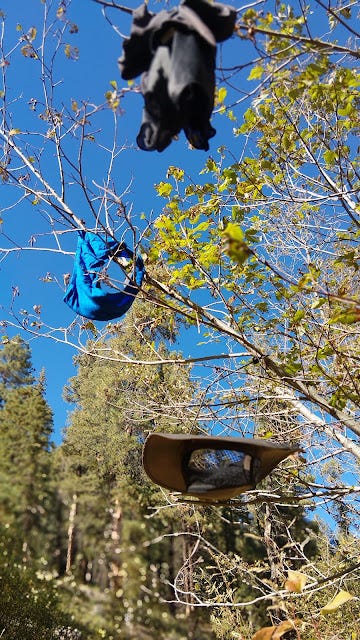
Their connection to their essential source—the biospirit and their place as individuals within the biosphere—is severely lacking, becoming barren. Even in a semi-wild environment, being alone with a wild plant without any filtering can trigger anxiety. Wild plants grow independently in their own form, revealing another complete multiverse. You'll see people checking their phones, taking photos, using apps to "identify" plants, taking notes, and asking questions. These are valuable "student" activities, reflecting a level of seriousness. People ask questions but don't listen attentively to the answers; instead, they think about the next follow-up question. Then, they ask even more probing questions to show off their knowledge and demonstrate their seriousness. Therefore, establishing some basic rules is crucial to make the core activity of the group—"being with plants"—easier. Guide the group's attention back to engaging with plants using all five senses. The human body itself is a scientific instrument of perception. It works best in a tranquil environment. Many people cling to a mechanical perspective; therefore, shifting to a vitalistic and biosphere-based perspective rooted in human perception is essential. The idea that “talking plants,” “the soul or voice of plants,” or even that plants might be living beings, or that God—a creator—created plants to “help,” aid, heal, and improve us, can trigger extreme existential fears for many.
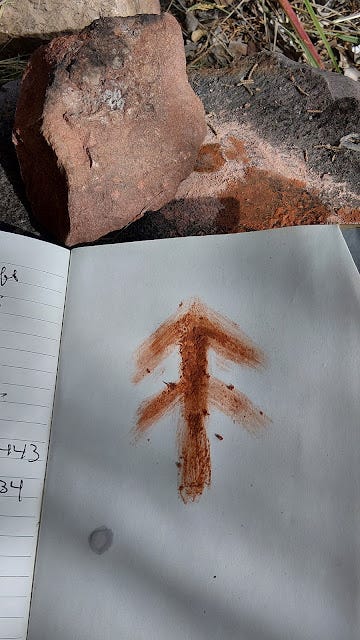
The idea of establishing a connection between humans and plants in a specific location can be a thorny issue for some, and a significant political and social problem. "Microdose Teams" are an advanced formulation practice conducted only in open, community-supported settings, requiring multiple sessions of plant meditation, sweating it out, and hours in a forest laboratory. Within the herbal community of "plant meditation," "Microdose Teams" remain in a controlled, therapeutic care community, following the healing principles of wild herbs. Frankly, with thorough preparation and a guided facilitator, this may be one of the best ways to overcome the ecophobia and biophobia that plague Westerners, avoiding a passive delusion. We have an innate connection with nature, with wildness, and with each other; only through a well-designed, comprehensive "disconnection" program can the deep-seated guilt of biophobia and ecophobia exist theoretically, detached from its roots, let alone become a force for action.
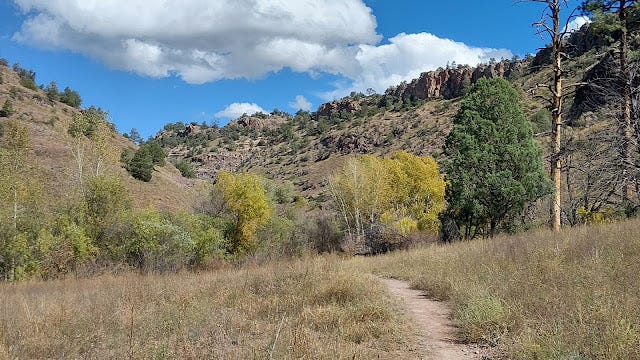
If the group has been focusing on plants for some time, immersing themselves in the community of experiences, feeling the sacred land and sacred love, then presenting this experience as a practice to the group becomes especially important. Here, we can begin to harmoniously share all that we have in common: air, trees, water, and animals. The yellow pine trees of the western United States may be the best entry point to living with plants. Through breathing techniques, we begin to try to synchronize our breathing with the "breath" of the yellow pine. The yellow pine is considered one of the entry points for human-plant interaction in the "Sitting with Plants" group practice. As I mentioned earlier, embracing the yellow pine is one such practice. The next step in "Living with Trees" is to experience the energy field surrounding the trees. We connect this standing practice with the tree's roots firmly planted in the earth and with our feet. Using the techniques and methods learned in the Standing Microcosm Orbit practice, we connect and synchronize our own life energy with the tree's vitality. In particular, we use pressing techniques to merge and extend our human life energy with the tree's life energy. Yellow pine pollen tincture is especially effective in this practice. We embrace the yellow pine tree and, through the aroma of its bark, focus on sharing our own energy with the tree's true energy (veriditas energy). Vigorously rubbing the body against the trunk can be helpful.
A powerful tradition of herbal healing involves practicing in groups with members of a plant meditation group. In this more active "sitting with plants" practice, a familiar couple embraces each other while also embracing a yellow pine. For group members, this can be a wonderful time to conceive, as they commit to raising their children with communal love within the sacred earth, the sacred circle of love, and the path of wild grass. Sexual activity between loving adults during the day, under the stars, is undoubtedly part of the "sitting with plants" practice. By sharing energy with the plants we accompany, we can gain deeper insights.
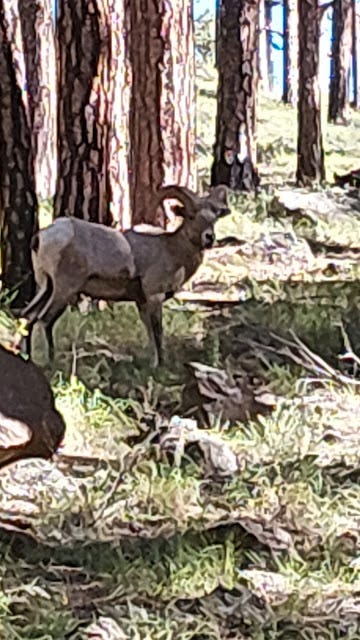
After the initial contact phase, what do you need to do? Once the connection and orientation phase is established, you need to enter a calmer, more intuitive state. For this calm state, you can ask a facilitator to speak to everyone and suggest using the Qigong techniques I demonstrated earlier for deep breathing. While these Qigong techniques have Chinese characteristics, please note that I said "Chinese characteristics"—referring to a way of breathing in harmony with plants. Therefore, it is not an Asian or Chinese way of interacting with plants, nor is it a Chinese breathing method; it is simply being in harmony with plants.
So all you have to do is stand next to the plant. Inhale as you raise your hands above your head, and exhale as you lower your arms back to your sides, taking four deep breaths. You can also make some pushing motions, trying to feel the energy in the soil around the plant's roots. All living things are constantly interacting with their environment. This doesn't mean you think plants are interacting with the environment. As living organisms, plants certainly do interact with their environment in various ways.
So you need to interact with your environment. Pay attention to the location of the plants. Observe, be mindful, and pay attention to their growing environment. For example, observe mint; it loves sunlight. Mint prefers full sun, but also dappled sunlight. It's an understory plant, preferring to grow in patches or clumps, forming small mint communities. After noticing this, you might want to touch the soil around the mint. Feel the soil and ask yourself, "Is the soil moist? Does it drain well?" Touch the soil with your fingers and ask yourself, "Is the soil sandy?" Is it clay? Observe for a while, then enter a deeper state of silence. If there aren't many people, each person can form a circle around a small clump of mint (monarda). Or, each person can walk a few yards away, find a small patch of mint, feel comfortable, and sit quietly without saying a word. Everyone remains quiet, without making any sound or saying anything. Spend some time with the plants. I suggest this period be about 10 to 15 minutes, so you can have someone use a timer to keep track of it.
After the silent period, everyone regroups. The facilitator can announce, "...Okay, let's get back together," or something similar. Then, everyone slowly returns to their original positions and sits again around the surrounding mint bushes. I suggest using what I call the "talking stick" method next. What is a "talking stick"? A "talking stick" refers to using an object; it can be a formal stick. A talking stick can be a piece of wood, a stick, or anything you have on hand. You can tie something to it, like a headscarf, string, or feathers. If there's lichen, vines, grass, or something else nearby, you can wrap or weave it around the talking stick. Alternatively, you can use a flexible willow branch to form a circle. A "talking stick" can also be a bunch of mint, like a bouquet, or a small bunch of mint, passed around among the group. Each person holding a "talking stick" is like sitting in a "warm seat" (borrowing Fritz Perls's term). Then, they are invited to share their experiences with the plant. I call this phase the "talking stick" phase, the phase of being invited to share. You can have the moderator announce a rough time limit. You certainly don't want anyone monopolizing the conversation. Because we're not talking about ourselves here. We're not focusing on our own traumas, joys, hopes, sorrows, etc. We're talking about the shared experience with peppermint. For example, if you've drunk tea or tasted a tincture, we can talk about the experience of the tincture when interacting with the plant. How did it taste? Bitter? Sweet? Spicy? Or bitter? Did it have a slightly astringent texture? These terms may not be familiar to everyone, including others in the group. Therefore, we need to explain these different terms. We are establishing a terminology system for plant sensory testing. You can also talk about how peppermint feels in your body. Does it move around in your body? What does it do in your body? Do you feel the peppermint entering your lungs? Does it stimulate saliva production in your mouth? Do you feel warm? Cold? Do you experience headache-like symptoms? What changes does it bring? In which organ system? Does it move upwards? Outwards? Inwards? Or from front to back? Do you feel peppermint (or other herbs) acting in a specific part of your body? Of course, some people are more emotional, some are more intuitive, and some are more introverted. They might have an almost hallucinatory perception or experience of plants and talk about it. They might mention something they saw, such as color or shape. This could be an illusion, a daydream, a real sight they saw, felt, or heard, or even an existence.
They can say whatever they want, share whatever they want. Of course, the facilitator needs to encourage open expression. But at the same time, you don't want to reward outlandish remarks. Because in group dynamics, people compete to say the most outrageous things to get attention. That's not our goal. We're focused on the plant itself, so don't forget that. Otherwise, someone might fall into a culturally correct traumatic scenario. For example, if you're with desert cotton (Gossipium thurberi), someone might mention seeing female slaves being beaten and screaming, witches being burned at the stake, cowboys shooting Native Americans, and so on. You don't want them to fall into a fantasy, dramatized, entertaining, imaginative scenario, because our goal is to guide people to use themselves as tools for observing the plant. But at the same time, you don't want to stifle honest expression. We want to guide participants to connect their words with the plant itself and their connection to our own bodies. You also need to affirm those who are least willing to speak, and guide them to speak, and the best way to do this is to focus on the sensations within the energetic sensory continuum. In this process, it's especially important to remain open to the plant's energy. Let's not forget that we are working to develop a vocabulary of expressions to understand these plants, thereby developing a deeper, more reusable bioregional herbalism within medicinal science.
After one person finishes speaking and expressing their thoughts, they pass the "talking stick" (or herb bundle, or any other item you use) to the next person. While the next person speaks, the others listen attentively. Then, the talking stick is passed around like a gift. Finally, the facilitator might ask, "What do you all think about what was said? What did you all say?" At this point, the facilitator can also summarize. They may be more experienced and knowledgeable, with a deeper understanding of botany, plant energy, different schools of herbalism, botanical perspectives, and their own experiences. They can summarize everyone's conclusions, trying to find common ground in everyone's subjective experiences. The facilitator's role is to summarize, and then you know the activity is over, and you move on to a new plant… but overall, this is what I mean by "living with plants."
So the question is, where, why, when, and how does this process happen? I'd like to share a little about my own experience and how I came into contact with this process. It was primarily through guidance from other teachers. I've mentioned their names before. I don't want to name them here because, frankly, I'm not sure if they agreed with my approach to "living with plants." So I won't mention their names here. You can read my other articles for more details or get information from other sources. I want to talk about my own experience. Some of you may know that I worked as a licensed nurse practitioner (LPN) and registered nurse (RN) for about 20 years. I primarily worked in the psychiatric or behavioral health field. My career in healthcare exposed me to speaking. I had to give presentations; I had to give group presentations to people who were often isolated in psychiatric wards. They often couldn't leave the hospital. They were usually there for some kind of court-mandated evaluation or something similar. They couldn't leave freely because they often wanted to participate in some kind of group activity. Some groups were led by licensed nurse practitioners, some by psychologists, some were Alcoholics Anonymous (AA) 12-Step Therapy program, some by psychiatrists, and so on. There were many different types of groups.
One thing I learned from this experience was that one of the biggest problems with this work was that patients were forcibly placed in a place isolated from the world, unable to connect with nature. They were confined to buildings often designed to restrict the entry of light, air, and even a breeze. These medical buildings were typically designed to be completely isolated from the outside world, with no windows, or at least no windows that could be opened. It was a hot, oppressive, and suffocating place, completely cut off from the natural environment. I developed a resistance to this practice of isolating people from the natural environment within the mainstream medical model. This resistance became even stronger and more deeply ingrained during the COVID-19 pandemic.
It was later discovered that a significant characteristic of the COVID-19 pandemic was the close correlation between respiratory illnesses and low vitamin D levels and deficiency. Therefore, lack of sunlight exposure in winter can exacerbate or worsen COVID-19 symptoms. This applies to many viral diseases. During the 1918 Spanish flu pandemic, one treatment method was to expose bedridden patients to direct sunlight. I think we live in a different era now. Air conditioning wasn't widespread then, and there were no mandatory regulations for its installation. During the 1918-1919 flu pandemic, one method of treating flu patients was to place them in tandoors or areas with windows to receive sunlight, even placing their beds outdoors to bask in the sun. In short, the lack of contact with nature and the wild is itself a form of man-made nutritional deficiency. It must be explored further that this ethical view of depriving people of natural resources is a deliberate conspiracy designed to create an echo chamber effect, exacerbating ecophobia and biophobia. This lack itself can easily lead to depression and what we now call psychological stress.
For me, the process of "living with plants" was, in a way, a reflection on some of my early experiences from my youth, so I call it my "spiritual exploration period." During that time, I frequently participated in spiritually related outdoor activities. What were these spiritual activities? I lived in a place called a retreat center or yoga training center. At this yoga training center, like many others, I would sleep on a tent platform surrounded by trees on a rather steep ski slope. In winter, tow ropes would be set up for people to ski down the mountain. It was essentially a winter ski resort. In spring and summer, people would sleep on the hillsides covered with aspen and birch trees, living an outdoor life. They would gather together for yoga practices, which also took place outdoors. Sometimes outdoors, sometimes outdoors, depending on the weather. People practiced yoga postures on the open-air yoga platform. In addition, there was an indoor space for practice. I believe that this way of practicing, or rather this spiritual practice, is largely connected to the land in the Laurentian Mountains of Quebec, Canada. The retreat center was developed in a relatively undeveloped wilderness area near Laurentade Provincial Park, close to St. Agette-de-Mont.
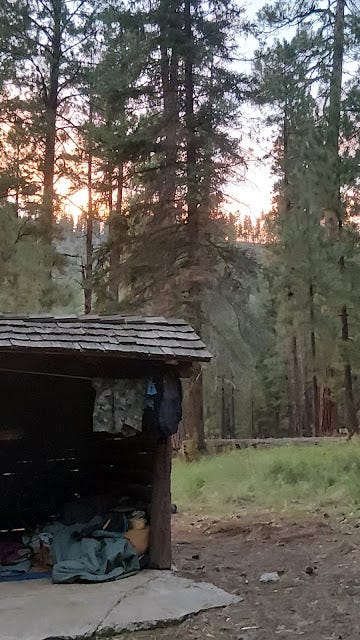
In short, to make a long story short, one of the most important things I gained from my yoga experience was the connection with nature. Direct contact with the outdoors, with the mountains. These mountains were covered in aspen and birch trees, you know, white bark, the Tremblant Mountains, trembling leaves, and so on. It was a very outdoor, very close-to-nature experience. I don't know if the retreat center intended it to be this way, but it certainly was. I also studied herbalism with Dr. Gaury Shankar. This influenced my understanding of "being with plants," of being surrounded by nature. Experiencing the phases of the moon, the changing angle of the sun, and the long days, with the sun not setting until around nine o'clock at night.
It was only later, when I worked as a registered nurse in healthcare, that I discovered this model of care completely lacked contact with nature. These patients (I'll call them patients for now) were in relatively poor physical condition; they were indeed sick and had various health problems, some of which stemmed from a lack of contact with nature.
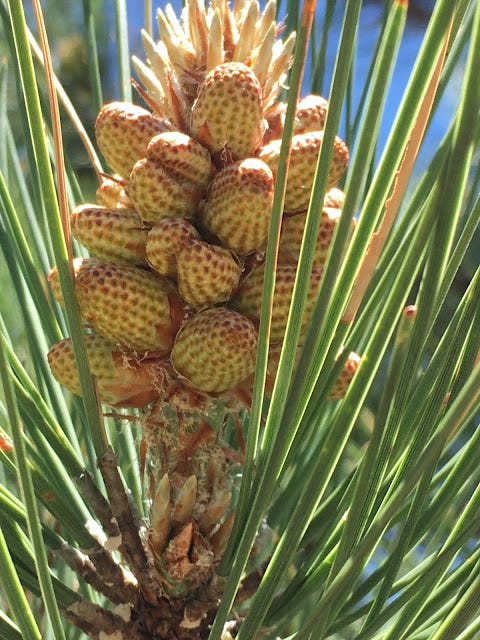
Another similar experience occurred when I encountered him again on a spiritual journey. It was in the bush near Colville National Forest in Washington, close to the Nespelham area. Incidentally, there had been some serious wildfires there recently. But back to why I was with the plants, there was a man, a Chipewa, named Sun Bear. He led a group known as the "Bear Clan." It was a very interesting time. The peace movement, you know, we're back in the 1970s, almost 50 years ago. It was a completely different era, a freer, more laid-back, more open time. Lots of people hitchhiked, people drove old junk cars, and so on. Gas was 62 cents a gallon. People drove 30-year-old trucks, 1950s cars. They embarked on this spiritual journey, searching for the meaning of life. So did I. One of the things this man taught me, his name was Sun Bear, and Waben taught us how to live a balanced life. He would watch old Western movies, movies with people coming and going, bustling and noisy.
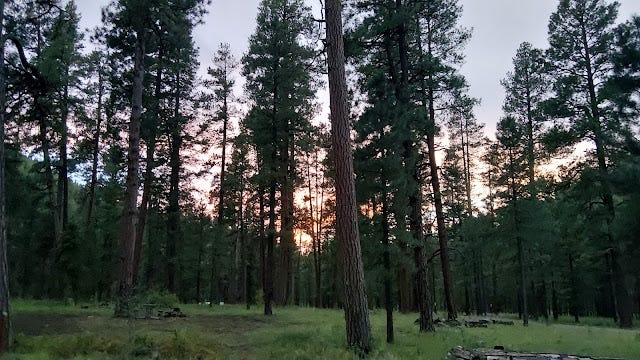
It seems everyone has a copy of *The Hitchhiker's Guide to the Galaxy* and a copy of *The Guide to Spiritual Communities*. There's exploitation and genuine connection, both. Sun Bear happens to be a very charismatic man, and he lives in this place with his wife, Waben, and a group of people. It's a humble little cabin, almost entirely hidden in the forest. It's just a cabin. I guess it's not completely isolated, but it's certainly very remote. Many of their practices involve prayer, outdoor activities, and sauna. You know, you just pour water on hot stones and you can feel the heat. You inhale the steam, praying to the forces of nature in a way that transcends the framework of Western Christianity. So, this is another experience that prompted me to "be with the plants."
During that time, I experienced something else. It was in the Catskill Mountains of New York, a beautiful and relatively untouched area. There lived a man who called himself a Rinzai Zen master named Eido Shimano Roshi. He was a Zen teacher who, through his remarkable organizational skills, personal charisma, and various donations, purchased a huge estate near Beecher Lake in the Catskill Mountains. Harriet Beecher Stowe, the author of *Uncle Tom's Cabin*, had lived there many years ago. Beecher Lake—let's call it "Wild Lake" for now—was where the Zen monastery was located. There were loons, ducks, geese, cormorants, and more on the lake. There were beautiful hardwood forests of maple and oak. The scenery was breathtaking in all four seasons; autumn was particularly beautiful with its snow. The leaves were beautiful—red, yellow, orange, and the yellow of fallen oak leaves. You could feel spring, you could feel the muddy season, you could feel summer, and so on. This practice is called Zen, and it requires a great deal of sitting meditation. We will sit for about one hundred days. During this period, we will practice what is called "sesshin" every thirty days. All work will cease. We will basically sit from dawn to sunset. There will be chanting during this time. There is also a ritualized walking called "kinhin," which is done on an outdoor platform. Walking slowly and attentively, you will observe the trees outside, you will see the ripples on the lake, the clouds in the sky, raindrops falling, snowflakes falling, and leaves fluttering. You will see the wind blowing. You will feel the cold air, and so on.
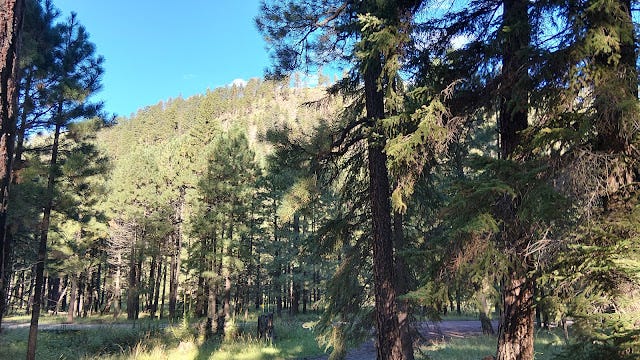
During the day, besides 15 hours of daily meditation (including seated meditation, walking meditation, solitary meditation, and answering questions from koans), we also have to work. For example, does a dog have Buddha-nature? Yes or no? Zhaozhou answered, "No." Then Rongdao said, "Do nothing," a parody of "clapping," meaning "Show me a hand clapping." We also have to chop wood. Meals are also indoors, ritualized. We use three bowls, each containing a little food, wash the bowls with hot green tea, and then cover them with a cloth, which I'll call a "bag." The bowl is placed in a place with your name on it. This bowl is used in the morning, noon, and evening. Sometimes, after lunch, we don't eat dinner until around 6 pm. Either we don't eat dinner, or dinner is optional. Again, seated practice requires sitting quietly and focusing on breathing.
I think this has a lot to do with my understanding of "living with plants," because whenever I mention "living with plants," I change some of my wording. I change "living with plants" to "sitting, standing, existing with plants," because it's not just about sitting still. You also stand with plants. You also walk with plants. You also exist with plants.
So, let me fast forward to today, and I recently embarked on a camping trip that almost unintentionally lasted nine months. I hadn't initially planned for a nine-month camping trip; it just happened to happen. My camping trip began around February in the Catalina Mountains, near where I live. It's a bit far from my home. I camped in the Catalina Mountains. I hiked to different springs, such as Romero Spring and Romero Canyon, which I visited almost daily. I would walk along the streams flowing down from the Santa Catalina Mountains. I stayed in some places, such as the Chili Sauce Canyon National Forest campground. I also stayed higher up in the mountains, where there are many campgrounds, such as Moreno Canyon Campground, etc. I don't want to reveal the exact locations of all the campgrounds. Anyway, you know, I completed this camping trip. I went to Mount Graham, also known as Gila Canyon. I went to a very nice campground at the foot of the mountain, and then to Noon Creek, which was a little higher up, and as the weather warmed up, I continued hiking. After that, I went to the area near Mogoron Ridge, to three or four different places, at altitudes ranging from five or six thousand feet to ten thousand feet, and finally to the Gila River in Gila National Park.
In short, I was also writing during that time. I compiled what I wrote and published it on this blog, but all of it ultimately boiled down to this process of "being with plants" and reconnecting with them. For me, reconnecting with plants wasn't just about plants—I've been studying plants since the 1970s, although it wasn't always an incremental process. A lot of times, you know, it was tied to work and making money, and I certainly did. I've worked for the Forest Service, for the National Park Service, for California state parks. I've also worked as a horseshoe maker. As a poor white European-American, I lived as I could. I've worked in lumber mills and at the Wawip Resort at Glen Canyon National Monument. You know, I also lived in a trailer for 15 years on a 5-acre plot of land in Paria, Utah, which was under the jurisdiction of the Bureau of Land Management (BLM) and is now the Grand Staircase National Monument, or something like that. I mean, I didn't always have the opportunity to spend all my time studying plants.
You know, I read as much as I can. Except for about 20 years as a nurse, I try to spend as much time outdoors as possible. During that time, I had to be in the hospital constantly. To be honest, being in the hospital was quite difficult for me, and I did a lot of things I didn't really enjoy. Sometimes I feel like I'm paying the price for things I shouldn't have done, you could say it's karma. You know, everyone tries their best to live their life well. One of the lessons I learned from Eido Roshi is: no one is pure, and no one is impure. There is no absolutely pure person, and no absolutely impure person.
From my Christian background, especially my Catholic background, I feel that a crucial prayer in the Lord's Prayer is forgiveness. My understanding of the Lord's Prayer is that it conveys a message of inner psychological healing. When you forgive others, you don't always forgive them because you love or respect them. You choose to forgive, and some may find your actions offensive, but you don't mind. You forgive them not because they hurt you (although they may or may not have). You forgive them because they are God's creation. You didn't create them; God did. Regardless of your opinion of them, God allows the sunshine, rain, and the beauty of creation to shine upon them. Regardless of my opinion of those who offend me, they are God's creation. That is why I forgive them.
On the other hand, as a psychological tool, when you harbor anger, hatred, resentment, or regret, you are actually harming yourself. You are not harming the person you hate, but yourself, because you are shutting down the sacred power that could have been beneficial to you. You are shutting down potential benefits that could have helped you. Clinging to anger is harming yourself. Therefore, anger, hatred, and holding grudges are all acts of self-harm. When I hate, I am harming myself.
Now you know that one of the teachings of Zen and martial arts is that in martial arts defense, you shouldn't hate your opponent. I think anyone who has played a team sport, like basketball, football, ice hockey, or baseball, will be familiar with this concept. When you're pitching, you don't hate the batter. Your goal is to strike out. Your goal is to beat the batter. You don't hate the batter. Similarly, when you're playing football, you don't hate your opponent, but you try to tackle him. According to martial arts, by maintaining a state of pure physical activity, you actually become a stronger opponent. When you can clearly see your opponent without any emotion, hatred, or love, you can beat them better. You are simply focused on the martial arts movement itself. This state of "flow," being present in the moment, applies equally to music. You practice music to reach a state beyond practice, to truly play music, as Jerry Garcia and many musicians have said. This is the teaching of Zen and the art of technique: you sit, but go beyond sitting. You reach a state where you are no longer entangled with emotions. You are simply sitting in meditation with your physical body, and beauty, enlightenment, and Buddhahood are contained within the meditation mat. I have tried many such concepts, sometimes failing, often failing, sometimes succeeding, but these concepts are all integrated into the meditation practice with plants.
I recently wrote an article about "characteristics." I've heard this concept from several teachers I studied at herbal medicine schools. Their "characteristics" theory goes like this: "If it looks like something, it might work," or "If it looks like something, it probably does," for example, a certain organ in the body. I mentioned that a walnut, when cut open, looks like a brain, so walnuts are considered a brain food. There's also red root, red California clove, red root. I know you all know this California clove (Ceanothus americanus), and its close relatives Fendleri and Greggi. You know, it's considered a blood affinity drug, observed under an electron microscope for positive and negative charges, as Michael Shaw Moore has mentioned. Or in our tinctures, it looks like a red substance, the color of Cabernet Sauvignon, or the color of blood. So, California clove root, or red root, is a blood medicine. The same goes for sassafras. Sassafras is red. The red bark can be used to make red tea or red tinctures. It has blood-purifying properties. Yellow agrimony has a similar effect on the liver as jaundice, so it can be used to treat jaundice.
This notion that "it looks like _____" is an oversimplification of the concept of "signature theory." Signature theory was very popular in Western herbal medicine, especially in the 17th century, with herbalists like Nicholas Calpeper and Jacob Burmae proposing the concept. They believed that God did not leave the world to fallen humanity as a barren wasteland. The wonder of creation lies in the fact that the healing and medicinal value of plants, revealed through the revelation of "signature theory," are presented to herbalists and scientists as gifts left by God in the creation of the world. Therefore, it is a sublime concept. This concept persisted until Aristotle, who, although he somewhat rejected Plato's views on "original ideas," still believed in their existence, although he did not believe in an absolute ideal original idea. Aristotle, starting from the perspective of original forms, believed that we should directly observe things themselves to understand how original forms manifest themselves in their present, variable realities. Aristotle used this as a starting point for exploring science. However, the theory of "signatures" in Western philosophy spread through the Greeks. It's important to know that Aristotle taught Alexander the Great, who traveled extensively throughout the world, including India (what we now call the Levant), Mesopotamia, Iran, Iraq, and Afghanistan. These scholars, and later generations, often forget that Afghanistan also once boasted magnificent Buddhist statues. The Buddha is generally considered an Indo-Aryan, at least inferred from his own writings, belonging to the Shakya clan. Gautama Siddhartha thus called himself the Buddha. I'm not saying he wasn't Indian; I'm referring to his ethnicity or his ideas. These ideas were clearly familiar to people at the time, and through Aristotle's writings, they were forgotten by Westerners until the Renaissance.
Essentially, during the Italian Renaissance in the 17th century, people like Nicolas Calpeper and Jacob Bermae rediscovered these ideas. They began to possess translations of Greek works from Arabs, Iranians, and Islamic writers who preserved these writings in Arabic. These works were subsequently brought to the West and, in a sense, continuously rediscovered. Of course, Western philosophers also rediscovered them. In short, to make a long story short, I want to briefly introduce this meditation tradition that I encountered during my spiritual explorations, and how my teachers studying herbalism in the American West influenced and created this way of "living with plants." Through books, through reading books, and through this personal journey of spending a great deal of time in nature within relatively complete ecosystems, I began to understand the value and application of mindfulness meditation facing a wall, like Bodhidharma's love of home in Zen.
One of the earliest and most significant things in my life was a backpacking trip from western Pennsylvania to Harrisburg. I was a teenager, hiking. The only thing I remember from that time is this one particular event. It was a summer thunderstorm. I was on what seemed to me incredibly high peaks, though elsewhere they might have been just small hills less than 1,000 meters (3,400 feet). It was near Mount Davis, where our trail running instructor took us every summer. Mount Davis is the highest point in Pennsylvania, adjacent to what some call the Blue Ridge Mountains or Chestnut Ridge. That afternoon, an extremely powerful thunderstorm struck. As an 18-year-old, alone in a makeshift tent on the mountain, facing the raging storm and flashing lightning, I suddenly realized how barren I was. It was like a wake-up call; I suddenly realized how little I knew about my birthplace. At that time, I had already begun studying the works of Bradford Angel. I can't recall the book's title, but it was something like a field guide to medicinal plants or herbs, written by Jesslow Close, and titled *Back to Eden*. I've read many books about returning to nature, as well as hunting and fishing logs and trapping logs from the Pennsylvania Hunting Association.
I began to realize that I knew nothing about the place I lived. I felt like a stranger to myself, to this land, to the people. On that mountain, as I traversed these rural forests, I encountered some of the most unfriendly, the most indifferent people I had ever met, who would glare at you and never invite you in. Like the rough-around-the-edges “Pittsburghites” of Pittsburgh’s inner city, they glared at you with angry, bitter eyes. This was America, fundamentally crumbling. Generation after generation of technocratic trauma had forever torn apart the fabric of our society. I swore to myself, and to them, that one day I would remember the names of these plants. I swore to overcome the trauma, not to be destroyed by it. I swore that one day they would no longer be just trees to me. I swore that one day these plants would not only have names, but I would be able to say their names and know what they were. I would know their uses, I would know their benefits, I would learn as much as I could about these plants. This was probably the wish and vow I made fifty years ago on Sugarloaf Hill near Davis Mountain, as I backpacked through Pennsylvania. I swear, I will learn the names of these plants.
I felt restricted by my lack of understanding of plants. I felt like I was wearing iron ball shackles on my ankles, stumbling along, because I didn't know where I was. I knew nothing about the natural environment around me. I felt like I was trapped in a technological fog of a generation. I lived in a tech bubble, like an outsider. Even then, the tech bubble had its positive and negative aspects. I mean, there were no cell phones or computers back then. While the tech bubble wasn't too severe, it was destroying everything. My upbringing isolated me from the world, and from the pristine natural world.
One of my fondest memories is of going to Shenley Park, to its nature center, and hiking down to the foot of my house. There was a small canyon with a babbling brook. There was also a spring. The first medicinal plant I ever knew was probably the sagebrush, which grew near the railroad on the hillside below my house. A woman named Joanna (Starco) Godfreyman lived with us; she was probably in her eighties at the time, so I guess she was born around 1899 in the rural coal mining region of Pennsylvania. Anyway, long story short, she was a herbalist, though I didn't know or realize it at the time. She was a herbalist. That's how I saw her. She had worked as a telephone operator, a "hello girl," in the early days of Bell Telephone. She never married and lived alone her entire life. I don't know much about her life. I know she was born into a large family with nine siblings. She left her family, moved to the city, and worked for Bell Telephone. After retiring, she started gardening. She was very knowledgeable about medicinal plants and lunar phases. She introduced me to the Old Farmer's Almanac. I don't know exactly how much she knew. It wasn't until much later that I realized the impact she had on me that I hadn't noticed at the time. All these experiences, these journeys, these learning opportunities ultimately led me down the path of "living with plants." I want to share all of this with you.
I sit/stand alongside green.
Lyrics and music, Copyright 2025, All Rights Reserved: "Green Orchid Manifesto, Orchid Knows, Copyright 2025, All Rights Reserved: "Green Orchid Manifesto, Orchid Knows, All Content Knows, Orchid Knows Where Raspberries Grow. Orchid Knows, I Sit, Stand, Walk, Accompanied by Green, From All Directions, May All Be Well, Blessings Forever (Stacko), With Green Paleolithic Nite Orchid Raspberry."
The orchid knows the gray squirrel and the red squirrel, the wolf and the elk, the beaver, the chipmunk, the skunk and the snake. The orchid knows. The green orchid declares, the orchid knows, the orchid knows where raspberries grow, where the roadrunner, the eagle, the raven, the leaping robin goes. The orchid knows the blue-bellied jay, the cinnamon bear, the coyote, the lynx, the snow of the aspen meadow. The orchid knows perfect love flows, the orchid knows. The orchid knows I am the way of wild herbs. The orchid knows I am the path of medicine. The orchid knows where raspberries grow. You are a golden raspberry rose, the orchid knows. The orchid knows I am with green, in all directions, may all be well, forever blessed, with the green Paleolithic Neanderthal orchid Mary. The orchid knows.
Beside you, the orchid understands the perfect wild rose, its inexhaustible flow of floral water. The orchid understands irises, raspberry roses, bitter yellow; oh, the orchid knows how to satisfy your desires. The breath of the Holy Spirit nourishes the orchid's vitality—this is the orchid's declaration. I lift them up, making them vibrant, your family ever-growing. The orchid understands the healing green, the murmuring stream, the radiant sunlight; bathed in its light, orchid raindrops fall, flowing with orchid floral water, the orchid's floral water understanding the rising moon.
As the sun sets, she is ignited by his light, about to rise again…
I sit, stand, and walk, accompanied by greenery in all directions. May all be well, and may I always be blessed, and may I be with the green Paleolithic Neanderthal orchid Mary.
Mother of Mothers knows where raspberries grow, Mother of Sons, Mother of Daughters, Mother of Raspberries and Roses. Orchid, Mother of Sacred Medicine. Orchid, Mother of Rocks and Cliffs, Mother of Golden Dawn, Mother of the Gates of Heaven, Mother of the Morning Star, Mother of Angelic Messengers. Orchid knows the mother of my ancient ancestors, Agrimony and St. John's Aconite, Ajuga decumbens, and our Mother of Snow. Orchid knows the mother of the red and white, lemon-scented mint. Orchid, Agrimony and St. John's Aconite, Ajuga decumbens, and our European faith as heroes, passed down through generations. Orchid, through the eternal, sacred heavenly marriage between men and women in the holy European tribes. The orchid's declaration flows, never ceasing. Orchid knows the power of green flames, hidden in the blowing wind. All essence, nothing but death. Orchid knows I am vibrant life force, climbing upwards along your tortoise-island-like spine.
The orchid knows the way home. Your smooth rock shoulders bear the continental divide, beneath the oak grows the peduncles, the flowers are chocolate-colored, the orchid knows, the orchid knows the way home. The orchid's declaration, the perfect iris, the raspberry rose, the orchid knows, the orchid knows.
"Whether I sit, walk, or stand, I am with green; green surrounds me on all sides. May all be well, and may blessings be everlasting. Today I rise, with immense power, to call upon green, with unwavering faith in healing."
On the endless path of medicine, through the power of healing, we repent for our oneness with the Creator, the Father.
Through these excellent sibling plants.
I rise today by the power of water.
With the power of our ancestors,
Leveraging geographical advantages,
Based on judgment.
I rise today under the protection of angels and messengers.
For the sake of green,
Hoping to get a reward,
In the prayers of my mother and ancestors, in prophecy,
In sermons, in faith,
Pure and innocent men and women move forward in peace.
I rise today by the power of the Golden Paradise:
The sun's rays, the moon's radiance, the brilliance of flames,
The speed of lightning, the swiftness of the wind, the depth of the ocean,
The stability of the Earth, the solidity of rocks.
I sit, I walk, I stand, surrounded by greenery, in all directions, wishing for all well-being and eternal blessings.
I rise today, guided by the green power of the earth:
Support me, wisdom guides me.
Open your eyes wide and look ahead; prick up your ears and listen.
If I had to say anything, I would protect my hands.
The path that guides me forward, the shield that protects me.
Heaven and earth will protect me:
Resist the devil's traps, resist the temptation of weakness.
Fight against the tendency to fear, fight against all those
Whether near or far, whether alone or in a crowd, they will curse me.
Today, I summon all these forces to stand between me (and these evil forces):
I sit here, surrounded by greenery, in all directions, wishing for all well-being, eternal blessing, and the presence of the sacred mother of the mountains, fields, and forests.
Resist all cruel and merciless forces that may harm my body and mind; resist disease; resist the curses of false prophets.
Oppose unjust laws, oppose false accusations.
We oppose flawed decisions aimed at restricting green development and the tricks of war.
Combating the cycle of abuse
To ward off all diseases and curses that harm my physical and mental health.
Today, my parents are blessing me.
I sit, I walk, I stand, I am accompanied by greenery, in all directions, may all be well, may I be forever blessed, with the awe-inspiring wisdom of green.
Protect against poison and burns
Prevent drowning and prevent injuries
In this way, they can obtain a generous reward.
Life is with me, life is before me, life is behind me, life is in my heart.
The life beneath my feet, the life above my head, the life around me
Life on the right, life on the left
The breadth of life, the length of life, the height of life
Everyone who thinks of me carries a life within them.
My life is contained in the mouths of all those who talk about me.
Life shines in the eyes of everyone who looks at me.
Life resides in the heart of everyone who listens to my voice.
I sit here, surrounded by greenery, wishing for peace and lasting blessings from all directions. May the greenery bring victory and tranquility.
I rise today by a great power, through prayer for the unity of all things, through faith in the power of the Creator, and through faith in the oneness of the Creator.
Redemption is my blessing. Health is my blessing. Love is my blessing. Peace is my blessing. Blessing is my life. Thanks be to the glorious Creator, my Father, my Mother, and all things in the four directions. May the blessings of my Father, Mother, and the Holy Wind be with us forever. Whether I sit, walk, or stand, I am surrounded by greenery, everywhere I look. May all be well, may blessings endure, and may I be accompanied by greenery.
My brothers and sisters, my dear compatriots, I have nothing new to tell you. So-called "originality" is nothing more than part of the modernist alliance of illusions about the "new," binding our people and leading them to their demise. Instead of pursuing novelty, embrace your ancestors, who live among you like the plants and the land to which you share blood. Embrace the cycle of the seasons. Embrace your loved ones, be what your people need. Do what you must do, help them live in harmony with these plants, people, and places. Embrace nature, resist modernism. Remember, our greatest strength is hospitality. Before this surveillance police state existed, we gathered together, shared with one another, exchanged gifts, embraced one another, greeted each other warmly, sat, stood, walked, and celebrated the changing seasons, celebrated our shared life. So heed not those ugly flags that constantly threaten to expose your personal information. Unite again in hospitality, like in Homer's Iliad and Odyssey, like the epic legends of the European people. Embrace the hospitality of your loved ones. Examine the bloodlines and land around you. Use the power of wild herbs to heal one another.
Rooted in ancient tradition and truly part of the work, these signs and markings tell the story of the sacred tree, symbolizing the divine path in our tradition of redemption, and representing a way of safeguarding prayer. When we speak of safeguarding prayer, we mean invoking the heroic and divine presence of plants, people, places, and our ancestors on this endless path of healing, allowing us to dwell in and activate them. By using these blessed signs, we infuse our lives with the life force flowing through all things through the intention of sacred space. "Take off your shoes, for where you sit is sacred." At this moment, whether we are sitting, standing, walking, or together, we are in a sacred place. All creation we share around us is sacred space; therefore, we must be aware of our actions, aware of our intentions as we walk from horizon to horizon on this endless path.
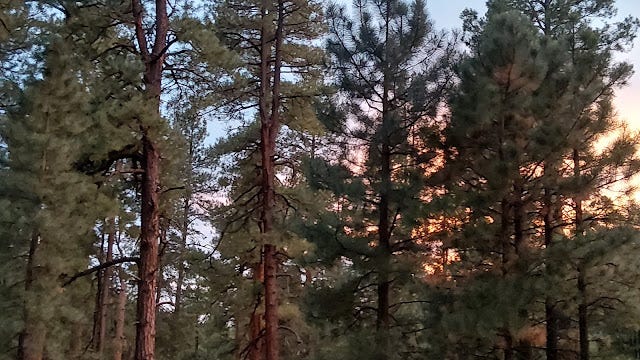
Remember, a lack of purpose leaves the soul lost in darkness. That's why we need purpose. We make promises and vows to ourselves privately, and publicly declare our shared goals as a blessing. From the perspective of modern industrialization, people tend to position themselves within the political landscape, but this is only part of our position. There are many other effective maps, such as watersheds, valleys, streams, bioregions, and ecosystem maps. Furthermore, there are spiritual maps, guides, and warnings. We exist between life and death, between heaven and hell. As protagonists, we stand on a sacred stage, striving for the reward of eternal life. Life as a process means that in the sacred relationship of marriage, men and women must play strict roles, which are essential for the maintenance of the family. The family is the basic unit of salvation and the continuation of the spiritual path. Heavenly marriage is the sacrament of the sacred partnership between men and women. Without the strict division of roles between men and women, there would be no woman as the folk caregiver of our children—the mother. Without a mother, there is no family; without a family, there are no children; there is no future. The story ends here. The question is, why do so many people passively accept official policies aimed at erasing and replacing the family as the core unit that holds them together? One answer is a profound fear of the monolithic state apparatus. They fear state-backed exclusionary policies that could be implemented against anyone at any time, for any reason. People are so afraid that admitting fear itself is fear. No one can truly feel fear, so propagandists on billboards are always smiling. Yes, we can and should be happy, but not all the time. Our people are struggling, and we will not laugh at their suffering. To laugh at the suffering of the people is absurd. Another answer is that the regime that rules us, through its public schools, has not established any sacred values in its compulsory secular curriculum. Insisting on that spiritual path of endless reverence and gratitude that transcends state authority can lead to a host of sanctions, including unemployment, media accusations, imprisonment for thoughts, words, or expressions, and various threats to one's future. In a secular worldview, to persist in and cooperate with it is tantamount to denying our inherent sacred identity. Whether it's being forced to perform menial, meaningless labor on sacred holidays (whether it's Sunday or any day of our choice), openly tolerating morally forbidden behaviors, or being constantly bombarded with nauseating advertising messages, the current system threatens faith in many ways, thereby affecting our salvation.
Secular nationalism denies the validity of the green flame, the sacred union of the people with the holy land, men and women with the tree of life, and the eternal significance of the life process on earth, thus plunging its citizens into depression, anxiety, and fear. "Zabiba Waal-Malik, I love you so much, Zabiba, for the sake of loving your people, and for loving them through you… I embrace your God, because you are a living part of the people, you believe in the role of the people, you love your country…" As the king finished speaking, tears filled his eyes and streamed down his cheeks, saying, "God falls to the ground." (Saddam Hussein Zabiba Waal-Malik)
The "Four" principles offered by Wild Herb Ways, a mentor to geniuses worldwide, are described in the "Woo Woo Song" ( https://pgmanski.blogspot.com/2024/04/woo-woo-song.html ).
This refers to the four cardinal directions: east, south, west, and north, in a clockwise direction. More broadly, it refers to all four directions. This is as expressed in the songs, performances, dances, and chants sung during the recent World Day of Prayer on April 8, 2024.
In the liturgical texts, it not only refers to direction but also specifically mentions that "our well-being is inviolable," and says "as it is." Another phrase is "as before, as it is." "As it is." "What you do, you become." From sitting and standing with plants, the doctrine of "imprinting" is derived, its inner structure being these four states of sitting, standing, and walking with plants. Listen, like participating in Qigong, and feel the entire environment.
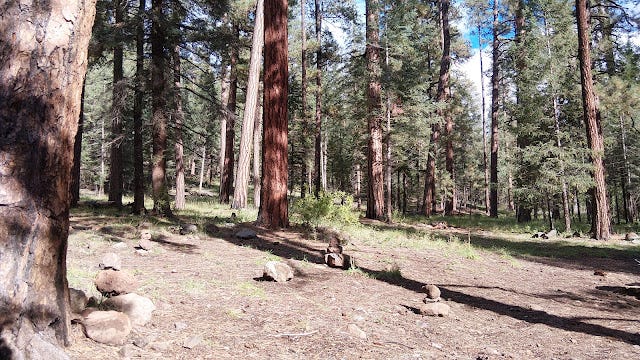
Everyone sits or stands in a circle, centered on the Algiz rune, with their arms pointing towards the North Star in the northern sky, becoming part of the power of Makosh or the Mother Bucket (i.e., Ursa Major). The symbol of the palace is the Horn of Abundance or the Golden Bucket. The sacred trees are pine, alder, poplar, and ash. For the past 36,000 years, I remember clearly, as if it happened yesterday, my journey from the East and West to Turtle Island. We worship the bear, the North Star Vega, Dubhe, and now we worship the North Star again. For us, it has always been Shash, that is, Ursa Major. This is what Hatali Nevy Jensen taught and passed down, sitting on the floor in his house in Grey Mountain. Na'has dhan Biyatay Wei'nah, Aconah nhas'dhan, diyagno, ban su'day'kays, Naozhonah Ashlee, Nozhonah Ashlee, Nazhoni Ashlee. As Neve Jansen taught me: “We come from the Divine Way Mother, a woman of ever-changing earth. That is why she is beautiful to us, that is why you are beautiful in our childhood, as we recite these words over and over. Our Mother unites with this bear time and again, in a continuous divine marriage, Freya, Mary, Athena, Eost. That is why our books are us, a people of flesh and blood. In our etymology, these words are bones, blood, plants, and we as a people, green, conquering disease with the perfect way of wild herbs. Forever revere this Mother, who commands her holy people, angelic messengers, to strengthen the immune system with the truth of herbs and the biospiritual plants.” Today, we gather under the banner of the Plant Commune, studying bones, blood, and soil. Our gods are just and impartial, while those who censor our speech, guard our voice, manipulate our people with suicide, abortion, and addiction, control our people with drugs, and spread white European guilt in stolen media, now own and acquire the electronic media platforms we created, then ban us, strip us of our creative rights, and continue to spread anti-white messages, shaping us into an electronic hybrid, a dehumanized being, through trickery and meticulously crafted anti-white narratives, ultimately defeating us. Now, we must confront our passive European brothers, who have spontaneously become our enemies through meme pathogens, a rootless collection of guilt and apologies.
As Paul Mansky, one of my most remarkable experiences has been living a life of wild herbalism, sitting, standing, and walking alongside plants, rediscovering ancestral memories, and upholding the principles of "People First! Earth First!" For 72,000 years, I have shed countless tears for Turtle Island (North America), perfectly embodying the true meaning of the wild way. I know Jesus, I have climbed the World Tree (Yggdrasil). I have sat in meditation face-to-face with Bodhidharma and Hua Dazheng Zen Master. When my eyeballs fell from their sockets, they landed on the ground and transformed into emerald green sencha. When Buddha held up a flower, I understood everything, and I still do. People post my photos and say, "That's you! Did you hear Jesus' voice?", as if knowing Jesus, Buddha, Wotan, and Socrates means you have to look like a movie star? How absurd. I've stood alongside Hercules, Washington, and Socrates, and slept with the Virgin Mary (before she became a virgin) in a tent in the Laurentian Mountains. Thirty-six thousand years ago, we drank Mead from bison horns; until 1987, before the Yellowstone fire, we drank Boone Farm cider at the start of the Isawa Trail. Bob Boyle, Monty Buck, Phil Selwick, and Queen Irene, who oversaw the bear crates at Wapiti, were said to have the most perfect labia since Athena, who was certainly not a virgin. I remember Hephaestus taking her virginity in the oak forest while I was playing the lyre, Easton was there, and the "Tree Godfather" was also present.
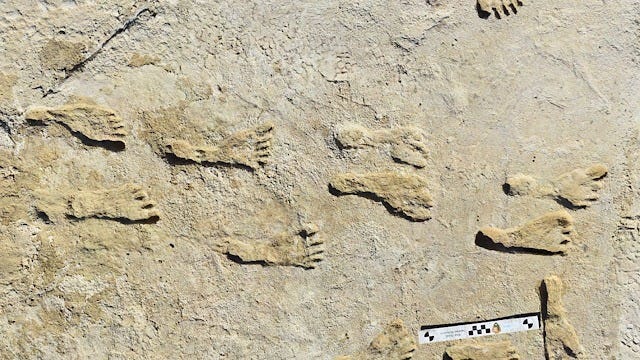
You must become and study every word I teach you. Not just this one word, but everything that happens between you, us, and these plants—it is a legacy in itself. We, as a community, in this experience, in the Wild Way of Herbs, in Rosa's teachings, in the Wild Rose, the Agri Palm, and the Motherwort. These teachings instruct you on how to pray, how to sit, sit, live, and walk with plants—all of which have been provided free of charge for the past 16,500 years, since the polar axis flipped. Before I return to Heaven to soar with the North Star, I have only a few seasons left to cycle. Join this community of well-being now.
My ancestors came from forested mountains; they were indigenous, the earliest people, our lineage tracing back to the Paleolithic era. Our ancestral genome contains a significant amount of Neanderthal DNA, like that of Germanic tribes, the Dinnes, the Apache, and Polish ravioli fried in butter. Like the Basques, my family has up to 5% Neanderthal genes in our Germanic ancestry. We are the true inhabitants of this Turtle Island (North America). Our people possess the highest concentration of Solutan DNA, carrying on Neanderthal songs and memories. This memory grows stronger as we sit, stand, and walk with our herbalists, as if we are face to face with our Solutan ancestors. Science now reveals that all humanity originated in Europe, stemming from a European pursuit of love that prioritizes our well-being—a true manifestation of existence. We are the true existence revealed through human genome research.
Sitting, standing, walking, with plants; sitting, standing, walking, with rocks, we build our community. Selling all our possessions, pooling resources. Taking in pregnant women, taking in the homeless—this is how Lucidity built this peaceful pilgrimage community of 16,500 members. Wild Grass Trail's plant research is community-centered, based on the five principles of Wild Grass Trail Vitality: Love, Clarity, Law, Beauty, and Truth; conducted through teaching and learning, and actively carried out on the southwest Paws of the Big Island. We know that Jesus lived, walked, and taught in this North American region (Paws), and that his mother was Mary, the Mother of All Things, who married Ursa Major. "God created us, so let us be in balance. Everything that helps us grow is love, so let us be with love. Let us focus on the five ways to reinvent ourselves: Love, Clarity, Law, Beauty, and Truth."
I am now describing the mountains to the southwest, three mountains connected together like waves on water. At the foot of each mountain grow cacti, the shrubs gradually transitioning to junipers and oaks, and further up to pines and spruces. To the southwest are three mountains, each standing silently, majestically moving forward. They all exist here. At their foot lies the Lago Bernardella meadow, lush with green grass, blooming with five-pointed yellow flowers, and swaying giant cactus trees bearing sweet fruit—the Jora cactus. Below the mountains flows the South Hilla River, dotted with aspen trees; to the southeast is a black mountain; further north is the Grand River, extending north and south to the Magdalena River in the northeast, then west and north to the Sierra Nevada Mountains, the Escardillo Mountains, and another majestic peak in the northwest. These are the four sacred mountains. At the summit of each mountain peak sits a gourd ladle filled with water, connected to the goddess Cassiopeia, the North Star goddess. They are a pair, working together to gather springs and rivers, flowing into the valleys. All these sacred mountains must be filled with water through prayer. If they are not filled by prayer, there will be no snow, the rivers will dry up, and the dusty winds will anger people and hinder cooperation.
refer to:
Abby, Edward. *Walking Alone in the Desert: A Season in the Wilderness* . Simon & Schuster, 1968.
Abby, Edward. *The Monkey Wrench Gang*. Lippincott, 1975.
Aideyan, Tunde. “A nine-step guide to a sensible microdosing program.” Aeon , 2024, aeon.co/essays/a-nine-step-guide-to-a-sensible-microdosing-programme .
Angel, Bradford. *Free Access to Wild Edible Plants*. Pyramid Press, 1966.
Angell, Bradford. *Field Guide to Medicinal Wild Plants*. Starkpol Press, 1978.
Berg, Peter (ed.). *Re-establishing a Separate Country: A Collection of Bioregional Papers from Northern California*. San Francisco: Planet Drum Books, 1978.
Berg, Peter. Discover Your Living Place: The First Bioregional Working Manual. San Francisco: Planet Drum Foundation, 1995.
Berg, Peter. A Vision for Sustainability. San Francisco: Planet Drum Foundation, 2009.
Berg, Peter. “Walking Towards the Continental Congress.” Continental Congress, Collection No. 4, Planet Drum Foundation, 1976.
Deng Ming (1990). The Scholar-Warrior: An Introduction to Taoism in Everyday Life . Harper, San Francisco.
Devall, Bill, and George Sessions. Deep Ecology: Living Like Nature. Gibbs Smith Press, 1985.
Dogen, Eihei. *The Moon in the Dewdrop: The Writings of Zen Master Dogen*. Edited by Kazuaki Tabata, North Point Publishing, 1985.
Fadiman, James. *Psychedelic Explorer's Guide: Safe, Healing, and Sacred Journeys*. Park Street Press, 2011.
Fadiman, James, and Jordan Gruber. Microdose Therapy for Health, Healing, and Enhanced Performance. St. Martin's Press, 2025.
Gandy, Dr. Sam https://medium.com/@sgandy2512/bridging-the-divide-psychedelic-biophilia-human-nature-connection-4bcc5ea99c3
Interview with Dr. Gandy: https://psychedelics.berkeley.edu/qa-sam-gandy/
Jack Kerouac. On the Road. Viking Press, 1957.
Jesslow Close. *Return to Eden*. Jesslow Close, 1939.
Jason Cohen, J. (2023). *Gaining Freedom: A Guide to Aligning with the Western Archetype* (Complete Edition). By Jason Cohen. (Original publication: 2017)
Cohen and Jason. *Prometheus Rising: Reclaim Your Destiny*. Independent Publishing, 2020.
Mama Dose. *From Micro to Macro: A Guide Based on Practical Experience*. Mama Dose, Mamadose Shop. Accessed October 29, 2026.
Mama Dose. Functional Mushroom Guide. Mama Dose, https://mamadose.com/product/functional-mushroom-guidebook/.
Mark MacNamara. "How Psilocybin Can Save the Environment: We Need to Open Our Hearts to It in order to Protect Nature." Marine Mammal Center, September 30, 2020. https://nautil.us/how-psilocybin-can-save-the-environment-237980
Seishi Soga, Kevin J. Gaston, Yuya Fukano, Maldwin J. Evans
The vicious cycle of biophobia
Ecology and Evolutionary Trends
Volume 38, Issue 6
2023
Pages 512-520
ISSN 0169-5347,
https://doi.org/10.1016/j.tree.2022.12.012.
(https://www.sciencedirect.com/science/article/pii/S0169534722003603)
Abstract: People may exhibit irrational fear and aversion to certain wildlife. This so-called "biophobia" can be beneficial, even necessary, in some cases. However, biophobia can also lead to excessive distress and anxiety, resulting in a avoidance of interaction with nature. We emphasize that this reduction in interaction with nature may contribute to the exacerbation of biophobia, making it more entrenched in individuals and society. We propose the concept of a "vicious cycle of biophobia," which outlines how excessive aversion to nature arises and develops in society. This vicious cycle of biophobia has the potential to accelerate the loss of people's experiences with nature, thereby having long-term adverse effects on biodiversity conservation.
Keywords: biocompatibility; connection with nature; loss of experience; fear-avoidance patterns; biodiversity-friendly behaviors; sustainability
La Chapelle, Dolores, and Janet Burke. *Earth Festivals: Seasonal Celebrations for All Ages*. Pathfinder Press, 1976.
La Chapelle, Dolores. *Sacred Land, Sacred Sex, Ecstasy of the Deep: On Deep Ecology and the Celebration of Life*. Mount Finn Art Publishing, 1988.
Maly, Kenneth. "Dwelling in holiness: Dolores La Chapelle on the sacred." *Calling the Earth*, Vol. 3, No. 2, September 2002, pp. 24-27. JSTOR, www.jstor.org/stable/44898569.
Miller, Henry. *The Nightmare of Cold Air*. New Directions Press, 1945.
Miller, Henry. Remember What You Must Remember. New Directions Publishing, 1947.
The Old Farmer's Almanac (2026). The Old Farmer's Almanac 2027 (235th edition). Yankee Press.
Oelschlaeger, Max (ed.). The State of Wilderness: Essays on Environment and Civilization. Island Press, 1992. Source: < press.princeton.edu > and < www.archive.org > https://theanarchistlibrary.org/library/max-oelschlaeger-the-wilderness-condition
Ram Das. Living in the Present Moment. Crown Publishing, 1971. (The original edition was published in 1970 as *From Bindu to Ojas*.)
Rootman, JM, Kiraga, M., Kryskow, P., Harvey, K., Stamets, P., Santos-Brault, E., Kuypers, KPC, & Walsh, Z. (2022). Patients taking microdose of psilocybin showed greater improvements in mood and mental health after one month than the non-microdose control group. Scientific Reports, 12(1), 11091.
Senzaki, Nyogen, Soen Nakakawa, and Eido Shimano. Namu Dai Bosa: The Spread of Zen Buddhism to the United States . Edited by Louis Nordstrom, Dramatic Arts Books, 1976.
Slattery, John. *Southwest Medicinal Plants: Identifying, Harvesting, and Utilizing 112 Wild Herbs for Health and Wellness*. Timber Press, 2020.
Snyder, G. (1969). Earth House: Technical Explanation and Questions to Other Buddhist Revolutionaries. A New Direction.
Snyder, Gary. *The Real Work: Interviews and Conversations, 1964–1979*. Edited by William Scott McKlain, New Directions Press, 1980.
Soga M, Gaston KJ, Fukano Y, Evans MJ. The vicious cycle of biophobia. Ecology & Evolutionary Trends. June 2023; 38(6):512-520. doi: 10.1016/j.tree.2022.12.012. Published online on January 25, 2023. PMID: 36707258.
Soga, Masashi, et al. "The Vicious Cycle of Biophobia." Ecology and Evolutionary Trends, Vol. 38, No. 6 (2023): 512-520. doi:10.1016/j.tree.2022.12.012
Paul Stametz. "The Magic of Mushrooms". Interview with Wade Davis. Explorers Club, https://www.explorers.org/journals/the-magic-of-mushrooms/ . [ 1 ]
Malayan Sun Bear. Wilderness Home. Western Printing and Publishing Company, 1968.
Sun Bears Await, The Bear Clan's Self-Reliance Handbook , Bear Clan Publishing/Prenticehall Publishing, 1977.
Vishnu Devanatha, Swami. *The Complete Yoga Pradipika*. Julian Publishing, 1960.
7Song. (2024). 2024 Handbook - Northeast College of Plant Science. Northeast College of Plant Science. https://7song.com/wp-content/uploads/2024/05/Binder-2024-with-Links.pdf
Paul Mansky's book


No comments:
Post a Comment